

Starting a garden can feel scary if you’re new to it. Many people worry they don’t have a “green thumb” or that they’ll kill their plants.
The good news is that gardening success comes from picking the right plants, not from having special skills.
The secret to successful beginner gardening is choosing plants that are forgiving, low-maintenance, and hard to kill.
In this article, we’ve put together a list of 25 plants that work well for new gardeners.
These include herbs like basil and mint, vegetables like tomatoes and lettuce, and flowers like marigolds and sunflowers. Each plant comes with simple care tips and advice on how to avoid common mistakes.
Let’s dive in!
25 Easiest Plants to Grow (2026)
1) Basil
Basil is one of the easiest herbs we can grow at home. This makes it perfect for new gardeners who want quick success.
We can grow basil in our backyard, on a patio, or even on a kitchen windowsill. It doesn’t need much space to thrive.
This herb loves warm weather and sunshine. We should plant it after the last frost in spring when temperatures stay above 50°F.
Basil needs well-draining soil and regular watering. We should water it when the top inch of soil feels dry.
We can start basil from seeds or buy small plants from the store. Seeds take longer but cost less money.
Sweet basil and Genovese basil are the best types for beginners. They grow easily and taste great in cooking. For a complete breakdown of what to grow when and how to harvest each one, our vegetable gardening guide covers every crop from seed to table.
Fresh basil leaves are much cheaper than store-bought herbs. One plant can give us leaves for several months.
We can harvest basil by pinching off leaves regularly. This helps the plant grow more leaves and stay healthy.
Basil works well in pasta, pizza, salads, and many other dishes. Growing our own means we always have fresh herbs ready.
2) Snake Plant
Snake plants are one of our favorite choices for new gardeners. They’re almost impossible to kill and forgive many care mistakes. If one of your plants starts showing yellow leaves or drooping, our plant care guide has a diagnosis for almost every symptom.
These plants love low light conditions. You can place them in dark corners where other plants would struggle.
We love how little water snake plants need. Water them only when the soil feels completely dry. This usually means watering every 2-3 weeks.
Snake plants clean the air in your home. They remove toxins and add fresh oxygen while you sleep.
The thick, tall leaves grow straight up. They have green coloring with yellow edges that look great in any room.
You can grow new plants from one snake plant. Just cut off a piece of leaf and plant it in soil. It will grow roots and become a new plant.
These plants handle temperature changes well. They don’t mind if your house gets a bit hot or cold.
Snake plants rarely get bugs or diseases. This makes them perfect for people who worry about plant problems.
We recommend snake plants because they teach good watering habits. Their simple needs help you learn the basics of plant care.
3) Pothos
We love pothos because they’re almost impossible to kill. These trailing plants have beautiful heart-shaped leaves that make any room look better.
Pothos can grow in low light conditions. This makes them perfect for darker corners of our homes where other plants might struggle.
We can water them when the soil feels dry. They don’t need daily attention like some other plants do.
These plants grow fast and spread out nicely. We can let them trail from a shelf or wrap them around a room for a jungle look.
Pothos help clean the air in our homes too. They remove harmful chemicals while looking pretty at the same time.
We can start new plants easily by cutting a piece and putting it in water. In a few weeks, we’ll see roots growing and can plant it in soil.
These plants work well in hanging baskets or regular pots. We can put them almost anywhere in our house and they’ll be happy.
Pothos forgive us when we forget to water them for a while. This makes them great for busy people or anyone just starting with plants.
4) Aloe Vera
Aloe vera is one of our favorite plants for new gardeners. This succulent survives with very little care and forgives mistakes easily.
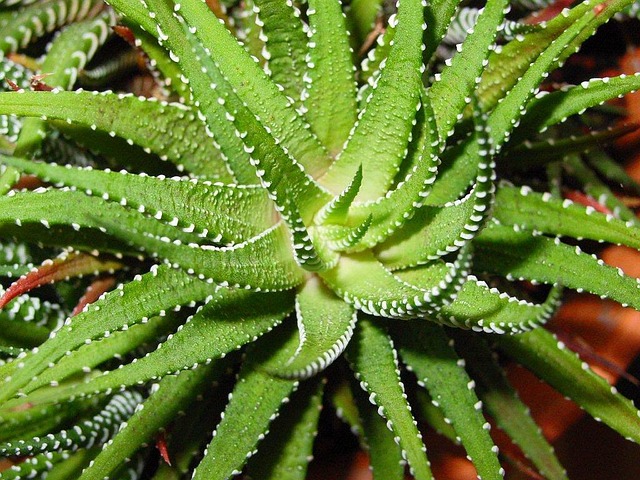
We love how aloe vera grows well both indoors and outdoors. The thick, fleshy leaves store water, so you don’t need to water it often.
This plant thrives in bright, indirect light. We recommend placing it near a sunny window if growing indoors.
Aloe vera prefers well-draining soil. Regular potting soil mixed with sand or perlite works perfectly for us.
We water our aloe vera only when the soil feels completely dry. This usually means watering every 2-3 weeks.
The best part about growing aloe vera is its healing gel. We can break off a leaf and use the gel inside for minor burns or dry skin.
Aloe vera produces small baby plants called “pups” around its base. We can separate these and plant them to grow new aloe plants.
This plant doesn’t need fertilizer very often. We feed ours just once or twice during the growing season.
Temperature-wise, aloe vera likes it warm. We keep ours away from cold drafts and windows in winter.
5) Sunflower
Sunflowers are perfect for new gardeners like us. These bright yellow flowers are tough and grow fast.
We only need to plant a seed and wait a few months. They will grow into tall, cheerful plants that brighten any garden.
Sunflowers need at least 6 hours of sunlight each day. They also need plenty of water to grow big and strong.
We should plant them at the back of our garden. This stops them from blocking sunlight to smaller plants.
These flowers are very forgiving if we make mistakes. They grow almost anywhere with good sun and water.
Sunflowers can get very tall. Some grow taller than we are! This makes them exciting to watch as they grow.
We can start sunflowers from seeds easily. Plant them right in the ground when spring comes.
Their seeds are simple to handle. Even kids can help plant sunflower seeds in the garden.
These plants grow quickly. We will see them get bigger week by week through the summer.
6) Cherry Tomato
Cherry tomatoes are perfect for new gardeners. These small, sweet fruits grow easily almost anywhere.
We love how forgiving these plants are. They produce lots of tomatoes in just 45 days.
You can grow cherry tomatoes in containers, raised beds, or regular garden soil. This makes them great for patios and small spaces.
The plants need basic care. Give them plenty of sunlight and water them regularly. Add a stake or cage for support as they grow.
Cherry tomatoes resist diseases better than larger tomato varieties. This means fewer problems for us beginners.
We can eat these tomatoes right off the plant. They taste great in salads or roasted with pasta.
The plants keep producing fruit all season long. You’ll have fresh tomatoes from summer into fall.
Cherry tomatoes come in different colors like red, yellow, and purple. Black Cherry is a popular dark variety that tastes amazing.
These plants grow well in most climates. They handle heat better than big tomato plants.
Start with cherry tomatoes if you want guaranteed success. They’re hard to mess up and always rewarding.
7) Zucchini
Zucchini is one of my favorite vegetables to recommend for new gardeners. It grows fast and produces lots of food with very little work from us.
We can plant zucchini seeds right in the ground after the last frost. The soil should feel warm to the touch. These plants love sunny spots in our garden.
One zucchini plant can give us 6 to 10 pounds of vegetables during the summer. That’s enough for many meals from just one plant that costs about $3.
We’ll see flowers on our zucchini plants in just 35 to 45 days. The actual zucchini will be ready to pick in about 45 to 60 days total.
These plants don’t need much care once we get them started. We just need to water them regularly and give them plenty of space to spread out.
Zucchini works great for cooking, too. We can use it in stir-fries, bake it into bread, or grill it as a side dish. The mild taste goes well with many different recipes.
8) Green Beans
Green beans are perfect for new gardeners like us. They grow fast and produce lots of food with little work.
We can choose from two main types. Bush beans stay short and don’t need support. Pole beans grow tall and need something to climb.
Bush beans work great in containers or small spaces. Pole beans give us more beans over a longer time but need a trellis or stakes.
We can plant green bean seeds right in the ground. They don’t like cold, so we wait until after the last frost. The soil should feel warm to touch.
Green beans grow quickly from seed to harvest. We’ll see sprouts in about a week. Fresh beans are ready to pick in just 50 to 60 days.
These plants handle most weather well once established. They don’t need much fertilizer or special care. Just water them when the soil feels dry.
We can harvest beans when they’re young and tender. Pick them often to keep more beans coming. Fresh green beans taste much better than store-bought ones.
9) Marigold
Marigolds are perfect flowers for new gardeners like us. These bright, colorful plants are so easy to grow that many kids start with them in school projects.
We can plant marigolds and enjoy blooms from spring all the way to fall. They come in yellow, orange, gold, and creamy white colors that make our gardens look cheerful.
These annual flowers grow fast and don’t need much care. We just need to give them a sunny spot and water them regularly. They handle most soil types without problems.
Marigolds help our gardens in many ways. They attract helpful bugs and butterflies while keeping some pests away from other plants.
We can grow marigolds in garden beds or containers. Both work great for these flexible flowers.
The best part is that we can save seeds from our marigolds each year. This means we can grow new plants next season without buying more seeds.
Water our marigolds regularly and give them plant food once a week. A balanced fertilizer works well to keep them healthy and blooming.
Since marigolds are annuals, they complete their full life cycle in one growing season.
10) Radish
Radishes are perfect for new gardeners who want quick results. We can harvest most varieties in just 20-35 days from planting.
These fast-growing vegetables need very little care. They grow well in cool weather and don’t take up much space in our gardens.
We can plant radish seeds directly in the ground or in containers. They need containers that are at least 6 inches deep with drainage holes.
Radishes work great in small spaces. We can even grow them between larger plants or in pots on a porch or balcony.
The seeds are easy to plant. We just need to sow them in well-draining soil and keep them watered.
Most radishes are naturally pest-resistant. This means we don’t have to worry much about bugs or diseases hurting our plants.
We should plant new seeds every 10-14 days. This gives us fresh radishes all season long instead of one big harvest.
Radishes add a crisp, peppery flavor to salads and other dishes. They’re also packed with good nutrients for our bodies.
11) Lettuce
Lettuce is one of my favorite plants to recommend to new gardeners. It grows fast and doesn’t need much care to thrive.
We can choose from five main types of lettuce. Leaf lettuce is the easiest to start with. Romaine and butterhead are also great options for beginners.
Most lettuce varieties are ready to harvest in 30 to 60 days. This quick growth means we can enjoy fresh salads soon after planting.
Lettuce likes cool weather best. We can plant it in early spring or fall for the best results. It can even handle light frost.
The seeds sprout quickly in just a few days. We don’t need special tools or skills to grow healthy lettuce plants.
Lettuce doesn’t take up much space in our garden. We can even grow it in containers if we don’t have a big yard.
Fresh lettuce tastes so much better than store-bought. We can pick leaves as needed and let the plant keep growing for more harvests.
12) Mint
Mint is one of our favorite plants for new gardeners. It grows fast and doesn’t need much care to stay healthy.
We love how mint gives off a fresh smell when we touch the leaves. You can use it in drinks, cooking, or just enjoy the scent in your garden.
This plant grows well in both sun and shade. It’s not picky about where you put it, which makes our job easier.
Mint spreads quickly through underground roots. This means it can take over your garden if you’re not careful.
We recommend growing mint in a pot instead of planting it directly in the ground. This keeps it from spreading everywhere and crowding out other plants.
You can keep mint pots on your porch, windowsill, or anywhere that gets some light. Indoor growing works great too.
Water mint when the soil feels dry. It likes to stay moist but not soaking wet.
We can harvest mint leaves anytime during the growing season. Just pinch off what you need and more will grow back quickly.
13) Chives
Chives are one of my favorite herbs to recommend for new gardeners. These grass-like plants grow easily and need very little care once planted.
We love chives because they’re perennial plants. This means they come back year after year without replanting. They belong to the onion family and have a mild onion flavor.
These hardy herbs grow well in most gardens. They need sunlight and soil that drains water well. We can plant them from seeds or buy small plants from the store.
Chives grow in small clumps with thin, hollow green stems. The purple flowers that bloom in spring are edible and look pretty in the garden. These flowers also attract bees and helpful insects.
We can harvest chives by cutting the stems with scissors. They grow back quickly after cutting. Fresh chives taste great on eggs, potatoes, soups, and salads.
These plants spread naturally if we let the flowers go to seed. The new plants are easy to pull up if we don’t want them. We can even grow chives indoors in pots during winter.
Chives rarely have problems with bugs or diseases. This makes them perfect for beginners who want fresh herbs without much work.
14) Spinach
Spinach is one of our favorite plants for new gardeners. It grows fast and doesn’t need much care.
We love that spinach works well in cool weather. You can plant it early in spring or late in fall when other plants won’t grow.
This leafy green grows in many places. We can plant it in garden beds, raised beds, or containers. It even grows well on balconies or near sunny windows.
Spinach gives us quick results. We can harvest leaves in just a few weeks after planting.
The best varieties for beginners are Bloomsdale and Baby’s Leaf. These types grow fast and handle problems better than others.
We find spinach very forgiving for mistakes. It doesn’t need perfect soil or constant watering.
This plant is also very nutritious. We get lots of vitamins and minerals from fresh spinach leaves.
Spinach works great in small spaces too. We don’t need a big yard to grow enough for our family.
The seeds are easy to plant directly in the ground. We don’t need to start them indoors first.
15) Calendula
Calendula is one of my favorite flowers for new gardeners. We often call it pot marigold, and it’s super easy to grow from seeds.
We can plant calendula almost anywhere in our garden. It grows well in most climates and doesn’t need much care.
These bright orange and yellow flowers bloom for months. We can start planting seeds in spring and keep adding more throughout the growing season.
Calendula plants grow about 8 to 24 inches tall. We just need to water them regularly for the best blooms.
The best part is that calendula flowers are edible. We can add the colorful petals to salads or dry them for tea.
We can also use calendula for natural healing. Many gardeners grow it for homemade skin creams and remedies.
Starting calendula from seeds costs much less than buying plants. We can scatter seeds in empty spots around our garden.
These flowers attract helpful bugs to our garden, too. They make great companion plants next to vegetables.
Calendula keeps blooming until frost comes. We can collect seeds at the end of the season to plant again next year.
16) Peppers
We love growing peppers because they’re perfect for new gardeners. These plants are forgiving and grow well in many different climates.
Bell peppers are the easiest place to start. They’re sweet, mild, and produce lots of peppers throughout the growing season.
If we want something with a little heat, jalapeños are great beginner peppers. Early jalapeños and yellow jalapeños grow quickly and don’t need much care.
Hungarian wax peppers are another excellent choice for first-time pepper growers. They handle cooler weather better than many other varieties.
For those of us who want to try something different, shishito peppers are simple to grow and taste amazing. Most are sweet with just an occasional spicy one.
We can start pepper plants from seeds indoors about 8 weeks before the last frost. Or we can buy small plants from the garden center to make things even easier.
Peppers need warm soil and plenty of sun to grow their best. We should wait until the soil warms up before planting them outside.
These plants don’t need much water once they get established. Too much water can actually hurt them more than too little.
17) Cilantro
Cilantro is one of my favorite herbs for beginner gardeners. It’s easy to grow and gives us fresh herbs for cooking.
We can grow cilantro both indoors and outdoors. It doesn’t need special lights or fancy fertilizers to do well.
The best way to start is by planting seeds directly in the garden. Cilantro has a long root, so it doesn’t like being moved after planting.
We should plant cilantro in cool weather. It grows best in spring and fall when temperatures are mild.
This herb grows fast. We can start picking leaves in just a few weeks after planting.
Cilantro needs regular water but not too much. The soil should be moist but not soaking wet.
One thing to know is that cilantro doesn’t like hot weather. When it gets too warm, the plant will go to seed quickly.
We can keep planting new seeds every few weeks. This gives us fresh cilantro all season long.
The leaves taste great in tacos, salsa, and many other dishes. Even the seeds are useful for cooking.
18) Lavender
Lavender makes gardening feel magical with its sweet smell and pretty purple flowers. We love how easy it is to grow once you know a few simple tricks.
English lavender varieties work best for beginners. The most popular types are Hidcote, Munstead, and Vera. These varieties handle mistakes well and grow in most gardens.
We plant lavender in spots that get full sun all day. The soil needs to drain water quickly because wet roots can kill the plant. Sandy or rocky soil works great.
Watering takes some practice, but it’s simple. We water deeply once a week when the plant is young. Once it grows bigger, we barely need to water it at all.
The best part about lavender is how little care it needs. We don’t fertilize it much because it likes poor soil. A light trim after flowering keeps it looking neat.
Lavender attracts bees and butterflies to our garden. We can cut the flowers to make our house smell nice or dry them for crafts. The plant lives for many years and gets prettier as it grows bigger.
19) Nasturtium
Nasturtiums are perfect flowers for us beginners. These bright, colorful plants grow easily from seed and don’t need much care.
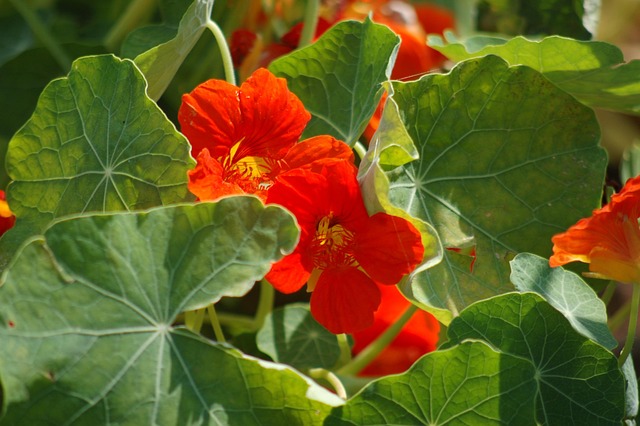
We can plant nasturtium seeds right in our garden. The seeds are big and easy to handle. They grow quickly and spread fast.
These flowers come in bright colors like orange, red, and yellow. The leaves are round and green. Both the flowers and leaves are safe to eat and taste peppery.
Nasturtiums actually grow better in poor soil. We don’t need to add lots of fertilizer or worry about perfect conditions.
The flowers attract bees, butterflies, and hummingbirds to our garden. They bloom all summer long with very little work from us.
We can grow nasturtiums in garden beds or containers. They work great for companion planting too. If we want an early start, we can plant seeds indoors first.
These annual plants are very forgiving. Even if we forget to water them sometimes, they keep growing and blooming. Nasturtiums truly earn their spot as one of the easiest flowers for new gardeners.
20) Cucumber
Cucumbers are perfect for new gardeners like us. They need very little care and grow fast in warm weather.
We can choose from many easy types. Marketmore cucumbers work well for beginners because they grow in different conditions. Armenian and Burpless varieties are also simple to grow.
These plants don’t cost much to start. We can grow them from seeds or small plants from the store.
Cucumbers grow well in garden beds or large pots. They need warm soil and lots of sun. We should plant them after the last frost in spring.
The plants need water but not too much care. They grow quickly and produce lots of cucumbers all summer long.
We can use our cucumbers for salads, cooking, or making pickles. Fresh cucumbers taste much better than store-bought ones.
These plants teach us basic gardening skills. We learn about watering, planting, and harvesting with cucumbers.
Most cucumber plants are disease-resistant. This means fewer problems for us as new gardeners. They’re a great choice for our first vegetable garden.
21) Sweet Potato Vine
Sweet potato vines are perfect for new gardeners who want quick results. These plants grow fast and need very little care to thrive.
We love these plants because they’re grown for their colorful leaves, not food. The heart-shaped leaves come in purple, black, red, and bright green colors.
You can grow sweet potato vines almost anywhere. They work great in pots, hanging baskets, or as ground cover in garden beds.
These plants handle different soil types well. They grow happily both indoors and outdoors, making them very flexible for any space.
Sweet potato vines need regular water and full sunlight to look their best. Add some fertilizer once in a while to keep them healthy.
We recommend pruning them regularly to keep their shape. This also helps the plant grow bushier and fuller.
You can start these plants from “slips” which are baby plants grown from whole sweet potatoes. This method is fun and easy, especially for kids learning to garden.
The trailing vines spill beautifully from containers and spread quickly across garden areas. They add instant color and texture to any space.
22) Dill
Dill is one of my favorite herbs for new gardeners. It grows fast and doesn’t need much care to thrive.
We can plant dill seeds from mid-spring to mid-summer. The seeds sprout quickly in warm soil.
This herb loves sunny spots in our garden. It also grows well in containers if we don’t have much space.
Dill has feathery green leaves and produces small yellow flowers. Both the leaves and seeds taste great in cooking.
We should plant dill seeds directly in the ground. They don’t like being moved after they start growing.
The soil needs to drain well. Dill doesn’t like wet feet and can rot in soggy soil.
We can harvest dill leaves when the plant is about 6 inches tall. Regular picking helps the plant keep producing new growth.
Dill attracts helpful bugs like ladybugs to our garden. It also keeps some pests away from other plants.
The best part is that dill often replants itself. Seeds drop and grow new plants the next year without any work from us.
23) Parsley
Parsley is one of our favorite herbs for new gardeners. It grows easily and adds fresh flavor to many dishes.
We can choose between two main types. Flat-leaf parsley has a stronger taste. Curly parsley looks nice as a garnish.
Starting parsley from seeds takes patience. The seeds need three to four weeks to sprout. We recommend buying small plants from a nursery instead.
Parsley grows best in cool weather. It likes well-drained soil that’s rich in nutrients. We can grow it in partial shade or full sun.
This herb doesn’t need much care once it starts growing. We just need to water it regularly and keep the soil moist.
Parsley works great in containers, too. We can grow it on windowsills or in small pots. This makes it perfect for apartment gardeners.
The plant produces lots of leaves during its first year. We can harvest the outer leaves and let the center keep growing.
Parsley is very forgiving if we make mistakes. It bounces back quickly from problems. This makes it ideal for learning basic gardening skills.
24) Borage
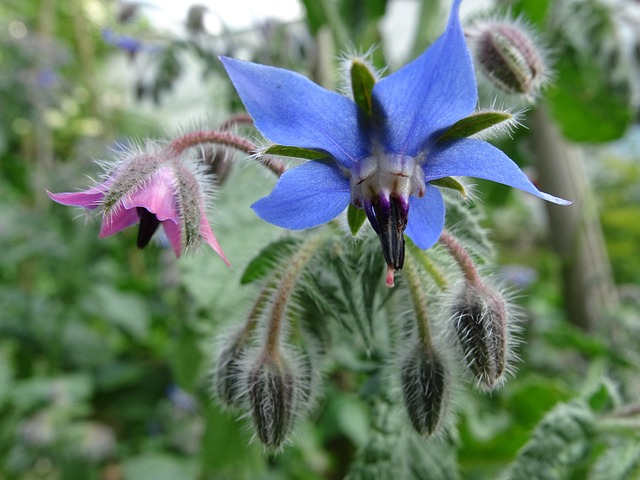
We love borage because it’s perfect for new gardeners. This herb grows fast and doesn’t need much care from us.
Borage has pretty blue star-shaped flowers that hang down. The whole plant smells and tastes like cucumbers. We can eat both the leaves and flowers.
This plant grows well in poor soil. We don’t need to worry about making the soil perfect. It likes full sun but will grow in partial shade too.
The best part is that borage plants itself. Once we grow it once, new plants will pop up next year on their own. We just need to keep the soil moist and fertilize once a month.
Borage brings bees and butterflies to our garden. This helps all our other plants grow better. The plant can look a bit messy, but the beautiful flowers make up for it.
We can grow borage even if we’ve never gardened before. It forgives our mistakes and keeps growing. The plant does well in average garden conditions and doesn’t ask for special treatment.
25) Cosmos
Cosmos are perfect flowers for new gardeners like us. These colorful annuals are very forgiving and don’t need much care to thrive.
We love cosmos because they grow well in poor soil. They actually prefer soil that isn’t too rich in nutrients. This makes them easy to grow almost anywhere in our gardens.
These flowers need full sun with at least six hours of direct sunlight each day. They also like well-drained soil that doesn’t stay too wet.
Cosmos bloom from summer until fall. We can enjoy their bright colors for months. They come in many shades including pink, white, orange, and red.
These plants attract bees and butterflies to our gardens. This helps other plants grow better too. We can also cut cosmos to make pretty bouquets for inside our homes.
The best part about cosmos is how easy they are to grow from seeds. We can plant the seeds directly in our garden beds or containers. They grow quickly and don’t need special care.
Cosmos handle dry conditions well once they’re established. This means we don’t have to water them very often. They’re perfect for busy gardeners who want beautiful flowers without lots of work.
Where to Grow These Plants in Your Backyard
Most of these 25 plants work in containers, raised beds, or directly in the ground, which gives you flexibility based on your outdoor space.
If you’re designing a backyard that combines growing areas with relaxation zones, our backyard design guide covers layout ideas for yards of every size, including how to incorporate raised beds, vertical planters, and garden paths into a cohesive design.
Essential Tips for Beginner Gardeners
Success in gardening starts with picking the right spot, knowing how much sun and water your plants need, and getting your soil ready. These basics will help your plants grow strong and healthy.
Choosing the Right Location
We need to pick spots where plants can thrive without fighting tough conditions. Look for areas that get steady sunlight throughout the day.
Avoid these problem spots:
- Low areas where water sits after rain
- Places near big trees that block light
- Corners where wind hits hard
- Areas right next to walls or fences
Check how much space each plant needs to grow. Some plants spread wide while others grow tall. Give them room to breathe.
Walk around your yard at different times of day. Notice which spots get morning sun, afternoon shade, or stay sunny all day. Write this down so you remember.
Understanding Sunlight and Water Needs
Plants have different needs for sun and water. Getting this right makes the difference between plants that thrive and ones that struggle.
Sunlight needs:
- Full sun: 6+ hours of direct sunlight daily
- Partial sun: 3-6 hours of direct sunlight daily
- Shade: Less than 3 hours of direct sunlight daily
Most vegetables and flowers need full sun to grow well. Leafy greens like lettuce can handle some shade.
Water plants early in the morning when it’s cool. This gives them time to drink before the hot sun hits. Check soil by sticking your finger 1-2 inches down. If it feels dry, it’s time to water.
Water slowly at the base of plants. Avoid getting leaves wet, which can cause disease.
Basic Soil Preparation
Good soil feeds your plants and helps their roots grow strong. Most plants need soil that drains well but holds some water.
Test your soil by digging a small hole after it rains. If water sits there for more than a few hours, you have drainage problems.
Simple soil improvements:
- Mix in 2-3 inches of compost before planting
- Add sand to clay soil that stays too wet
- Add compost to sandy soil that dries out fast
Loosen soil 6-8 inches deep before planting. This helps roots spread out easily. Remove rocks, weeds, and old plant parts.
Most plants like soil that’s not too acidic or too basic. If plants look yellow or grow slowly, your soil might need help.
Common Mistakes to Avoid When Growing Easy Plants
Even with beginner-friendly plants, simple mistakes can hurt your garden’s success. The three biggest problems we see are watering incorrectly, skipping pest prevention, and using bad soil.
Overwatering and Underwatering
Most new gardeners water their plants too much. We think more water equals healthier plants, but this isn’t true.
Overwatering kills more plants than underwatering. Too much water blocks air from reaching roots. This causes root rot and plant death.
Signs of overwatering:
- Yellow leaves
- Soft, mushy stems
- Bad smell from soil
- Fungus growing on soil surface
Most plants need water only when the top inch of soil feels dry. Stick your finger into the soil to check.
Water plants correctly:
- Water deeply but less often
- Water early morning, not evening
- Water at soil level, not on leaves
Underwatering is easier to fix than overwatering. Dry plants will perk up quickly after watering. Dead roots from too much water don’t recover.
Neglecting Pest Prevention
We often ignore pests until they cause major damage. Prevention works better than trying to fix problems later.
Check plants weekly for small problems. Look under leaves where pests like to hide. Early catching means easier treatment.
Common early warning signs:
- Tiny holes in leaves
- Sticky spots on leaves
- Small insects on stems
- Chewed leaf edges
Simple prevention steps:
- Remove dead leaves and plant parts
- Keep garden beds clean
- Plant flowers that attract good bugs
- Spray leaves with water weekly
Many pests spread fast in crowded gardens. Give plants proper spacing so air moves freely between them. Good airflow prevents many pest problems.
Companion planting helps too. Marigolds keep many bugs away from vegetables. Basil planted near tomatoes reduces pest damage.
Using Poor Quality Soil
Soil quality affects everything about plant growth. Poor soil makes even easy plants struggle to survive.
Most garden soil needs improvement before planting. Heavy clay soil doesn’t drain well. Sandy soil dries out too fast.
Test your soil first:
- Grab a handful of wet soil
- Squeeze it in your fist
- Good soil crumbles when you open your hand
Improve soil with these additions:
- Compost: Adds nutrients and improves drainage
- Aged manure: Feeds plants slowly over time
- Peat moss: Helps sandy soil hold water
- Perlite: Improves drainage in clay soil
Don’t use fresh manure or it will burn plant roots. Only use manure that has aged for at least six months.
Many new gardeners skip soil preparation. We want to plant right away. Taking time to fix soil first saves problems later.
Good soil feels soft and crumbly. Water soaks in but doesn’t pool on top. Plants in quality soil grow faster and stay healthier.
Frequently Asked Questions
What are some easy flowers for beginners to start growing?
Zinnias are perfect for new gardeners because they grow quickly from seeds and bloom all summer long. They handle heat well and come in many bright colors.
Sunflowers are another great choice. We love them because they’re tough plants that only need sunshine and basic care to grow tall and beautiful.
Marigolds work well for beginners too. These cheerful flowers keep pests away from other plants and bloom for months with little attention.
Which vegetables are best suited for container gardening?
Lettuce grows perfectly in containers because it has shallow roots. We can harvest the outer leaves while the plant keeps growing new ones.
Tomatoes do well in large pots or containers. Cherry tomato varieties work best since they don’t need as much space as full-size tomatoes.
Herbs like basil thrive in containers on sunny windowsills or patios. They grow fast and we can use them in cooking right away.
Peppers adapt well to container life. Both sweet and hot pepper varieties stay compact and produce plenty of fruit in pots.
Can you suggest vegetables that can be easily grown year-round?
Lettuce grows in cool and warm weather, making it perfect for year-round growing. We can plant new seeds every few weeks for constant harvests.
Spinach handles cold weather better than most vegetables. It grows well in fall and winter when other plants stop producing.
Herbs like parsley and chives keep growing through different seasons. They slow down in winter but rarely die completely.
Radishes grow so fast that we can plant them multiple times per year. They’re ready to eat in just 30 days.
What fruits and vegetables are ideal for a small garden space?
Bush beans take up less room than pole beans but still produce lots of food. We can plant them closer together than most vegetables.
Cherry tomatoes give us more fruit per plant than large tomatoes. They also fit better in small spaces and containers.
Lettuce and other leafy greens grow quickly in small areas. We can plant them between other vegetables to use every bit of space.
Strawberry plants work well as ground cover in small gardens. They produce fruit and look pretty at the same time.
What should beginners know about starting a garden in raised beds?
Raised beds warm up faster in spring, so we can plant earlier than in ground-level gardens. The soil also drains better, which most plants prefer.
We need to fill raised beds with quality potting soil mixed with compost. Regular garden soil gets too heavy and doesn’t drain well in raised beds.
Raised beds make it easier to control weeds and pests. We can also reach all our plants without stepping on the soil.
The ideal height for raised beds is 8 to 12 inches deep. This gives plant roots enough room to grow without being too expensive to fill.
Could you list vegetables that follow the 3-year crop rotation principle?
Root vegetables like carrots and radishes should rotate with leafy crops like lettuce and spinach. This prevents soil diseases from building up.
Tomatoes, peppers, and other nightshade plants should move to different spots each year. They use similar nutrients and attract the same pests.
Beans and peas add nitrogen to soil, so we plant them before heavy feeders like corn or squash. This natural cycle keeps soil healthy.
Brassicas like cabbage and broccoli should rotate together as one group. They face similar pest problems and have comparable nutrient needs.
Conclusion
Growing plants doesn’t have to be scary or hard. We’ve shared 25 plants that work great for new gardeners — and if you’re just getting started, our full beginner gardening guide walks you through setting up your first space step by step.
These plants are forgiving if you make mistakes. They don’t need perfect care to grow well.
Start small with just a few plants. Pick ones that sound fun to you. Maybe some herbs for cooking or flowers for pretty colors.
Remember these key points:
- Choose plants that match your space
- Water when the soil feels dry
- Give plants the right amount of sun
- Don’t worry if some plants don’t work out
We believe anyone can learn to garden. These easy plants will help you build skills step by step.
Your first garden might not be perfect. That’s okay! Each season teaches you something new.
The best part about gardening is watching things grow. Soon you’ll have fresh herbs, bright flowers, or tasty vegetables.
Take your time and enjoy the process. Before you know it, you’ll have the confidence to try new plants.
Happy gardening! We hope these 25 easy plants to grow give you a great start on your garden journey.

2 thoughts on “25 Easiest Plants to Grow for Beginner Gardeners”