Squash Rotting at the Stem End – 2 Causes and Fixes
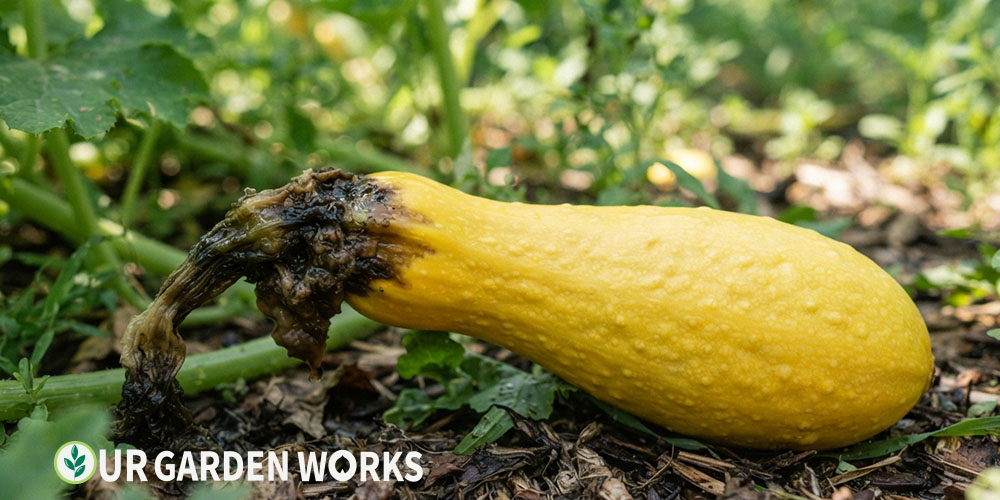
Squash rotting at the stem end has several distinct causes, from poor pollination to fungal rot. Here’s how to identify which one you have and the right fix.
Squash rotting at the stem end has several distinct causes, from poor pollination to fungal rot. Here’s how to identify which one you have and the right fix.
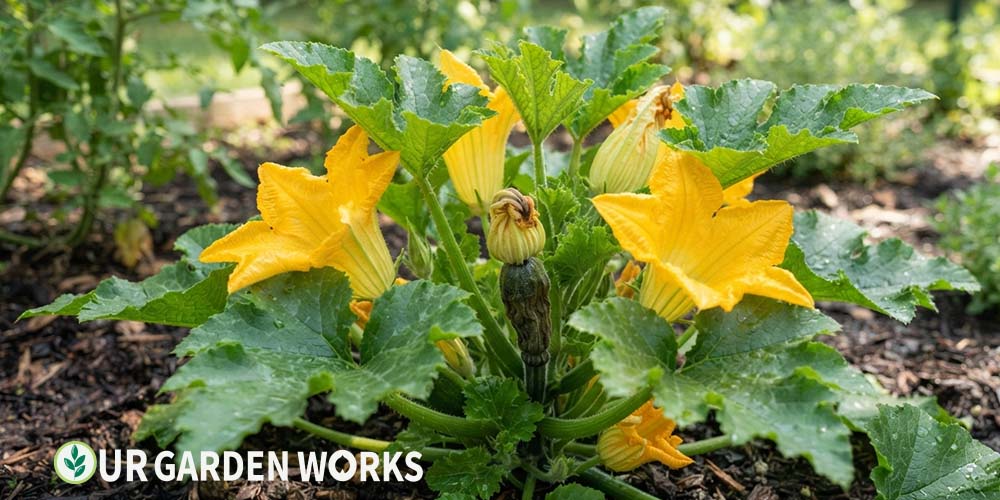
Zucchini plants with lots of flowers but no fruit almost always have a pollination problem, not a plant health problem. Here’s why and the hand-pollination fix.
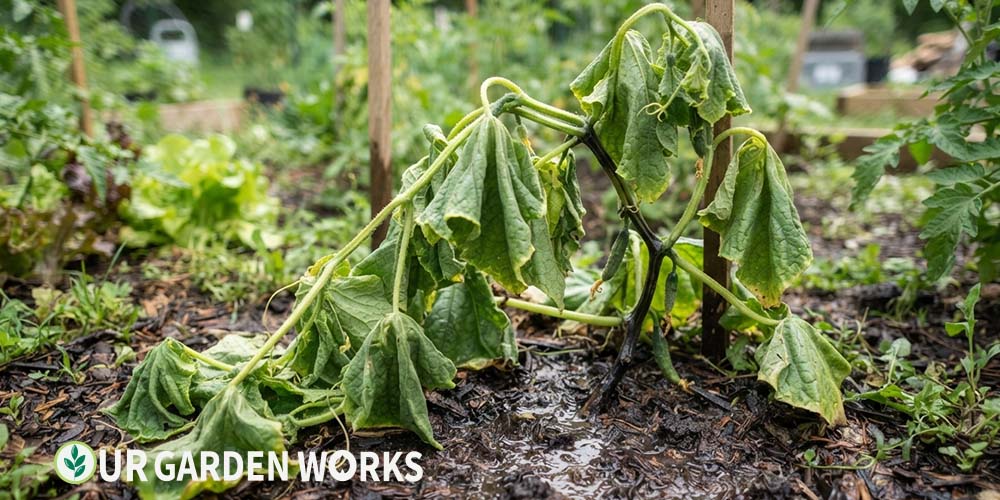
Cucumber plants wilting despite adequate soil moisture usually means bacterial wilt or squash vine borer, not a watering problem. Here’s how to tell and what to do.
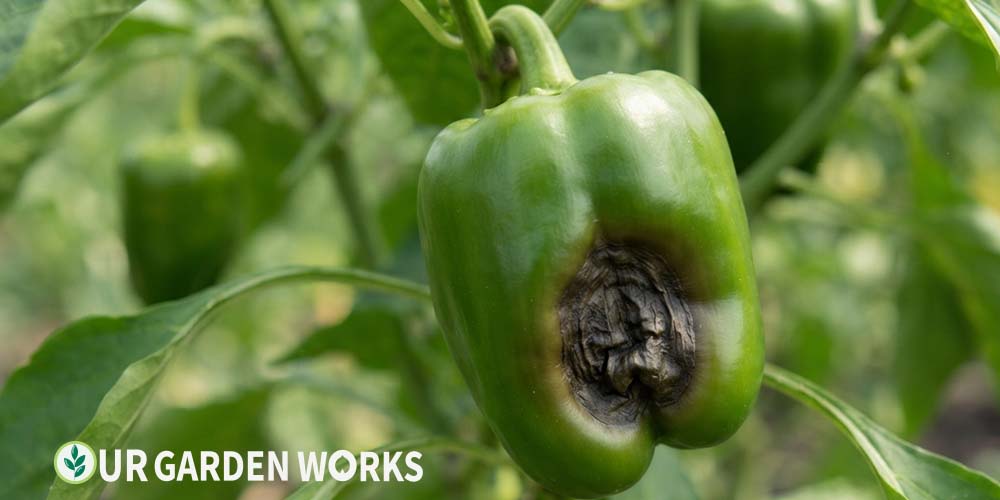
Blossom end rot on peppers looks like a calcium problem but is almost always about water delivery. Here’s the real cause and the exact fix that works.
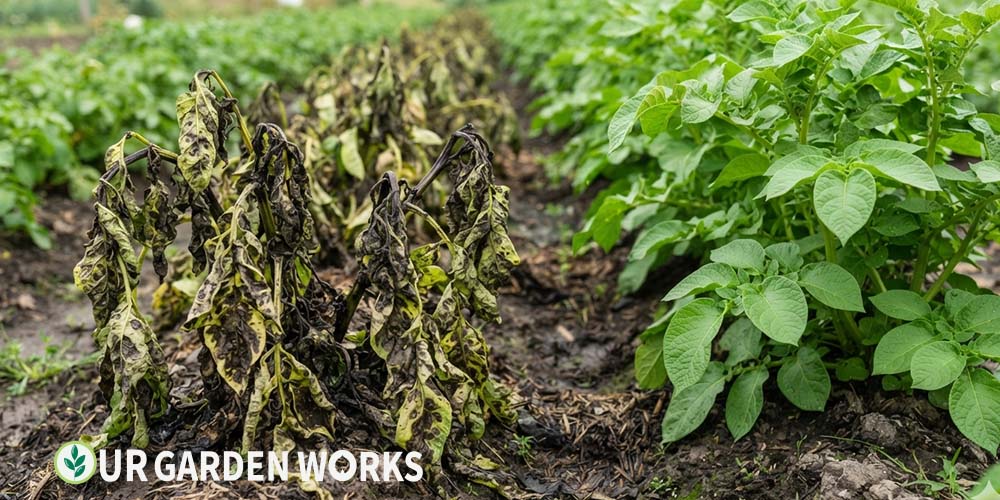
Wilting potato plants can mean simple drought stress or a more serious disease like late blight or bacterial wilt. Here’s how to tell them apart and what to do.
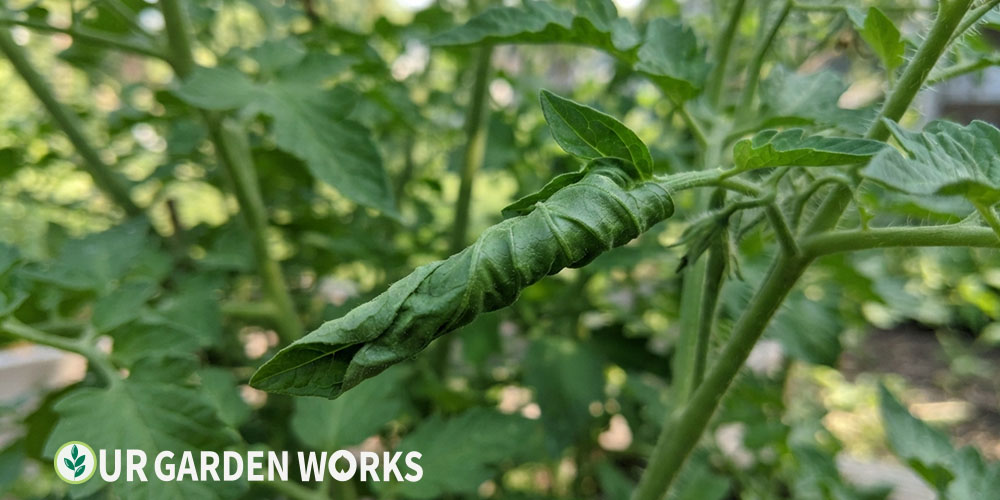
Tightly rolled tomato leaves usually mean physiological leaf roll, not disease or pests. Here’s how to tell the difference and when it’s actually nothing to worry about.
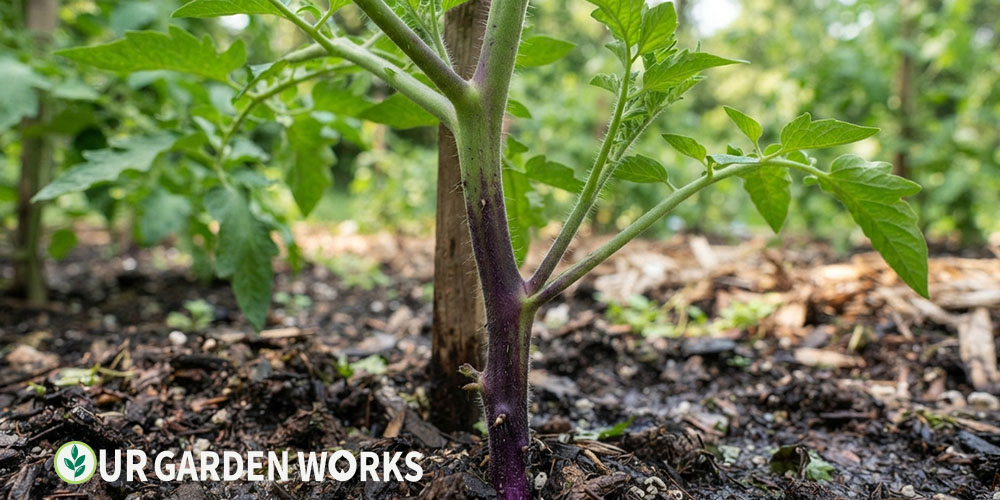
Purple tomato stems share the same causes as purple leaves — phosphorus deficiency and cold stress — but stems can also be a normal varietal trait. Here’s how to tell.
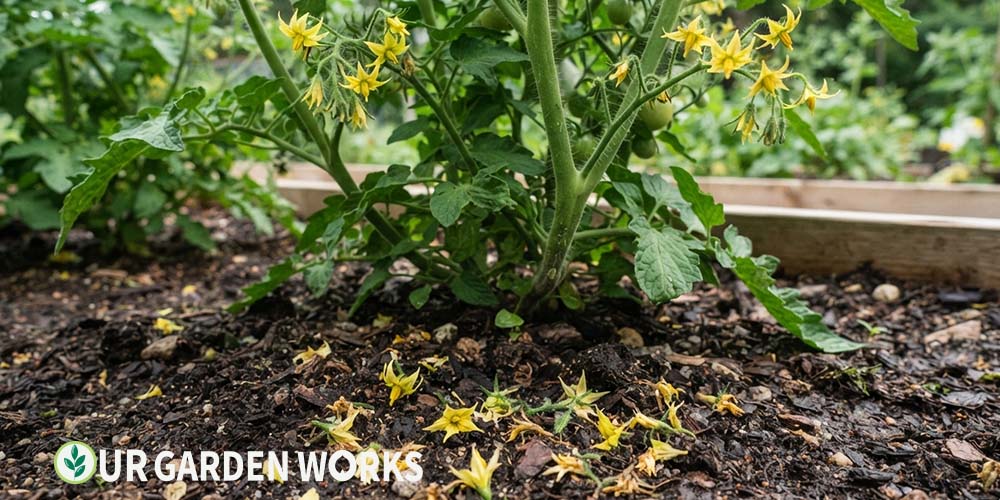
Tomato flowers dropping before fruit sets have several common causes, from temperature stress to poor pollination. Here’s how to identify which one and fix it.
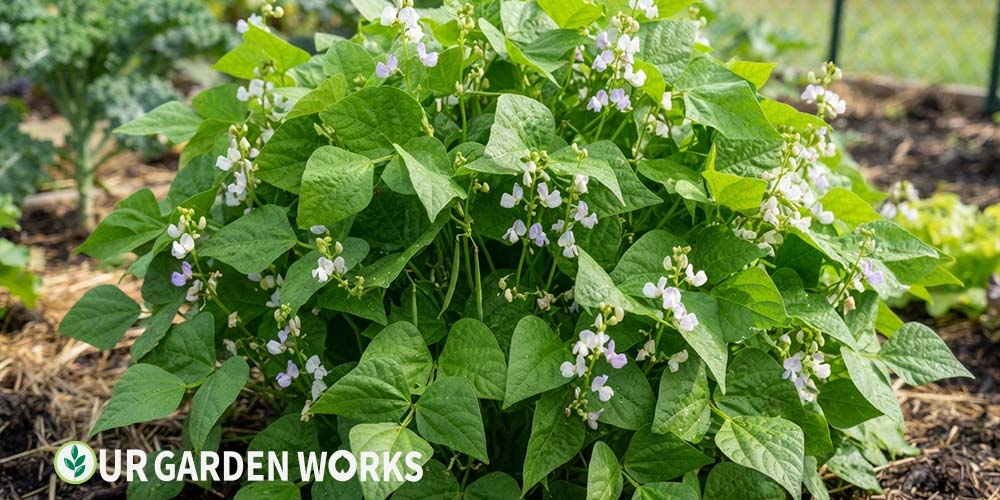
Bean plants with lots of growth but few pods have several common causes, from excess nitrogen to temperature stress. Here’s how to identify which one and fix it.
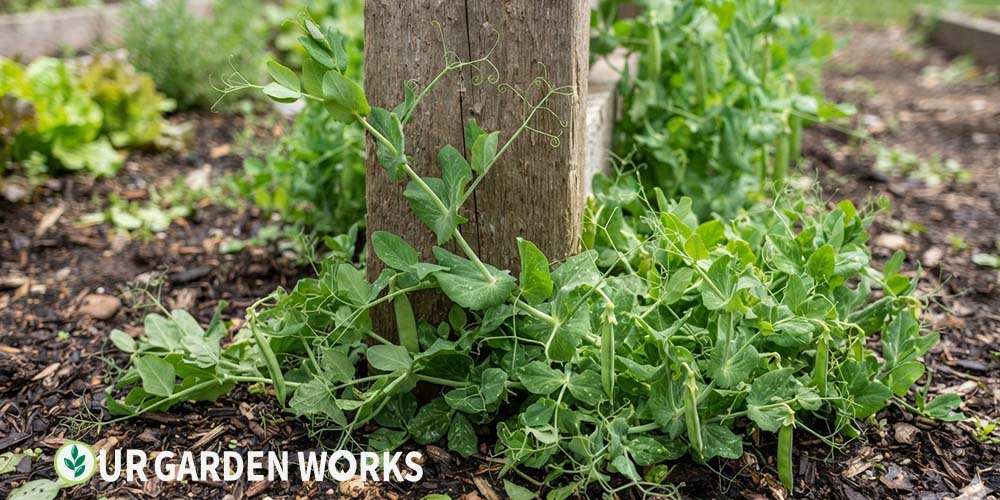
Pea plants that won’t climb usually need a thinner support or some early guidance. Here’s why it happens and the simple fixes that get vines climbing properly.