Lawn Turning Yellow After Fertilizing – 3 Causes and Fixes
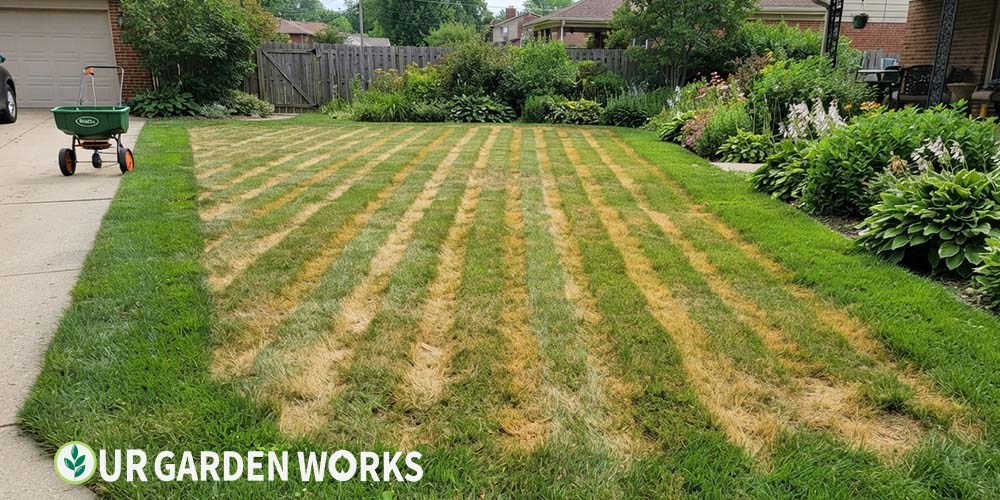
A lawn turning yellow right after fertilizing usually means fertilizer burn, not a benefit gone wrong. Here’s how to confirm it and recover your lawn fast.
A lawn turning yellow right after fertilizing usually means fertilizer burn, not a benefit gone wrong. Here’s how to confirm it and recover your lawn fast.
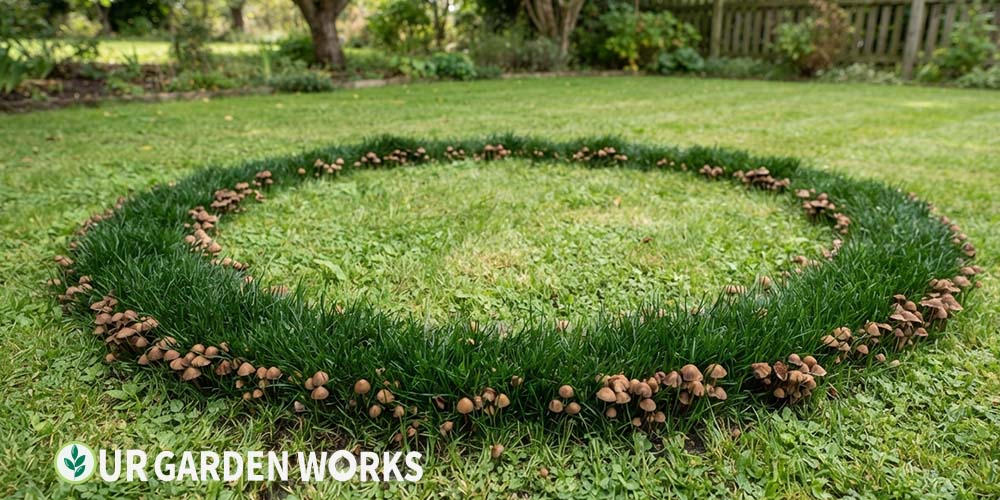
Fairy rings form when fungi decompose buried organic matter in a circular pattern. Here’s why they happen, how to manage them, and whether removal is even possible.
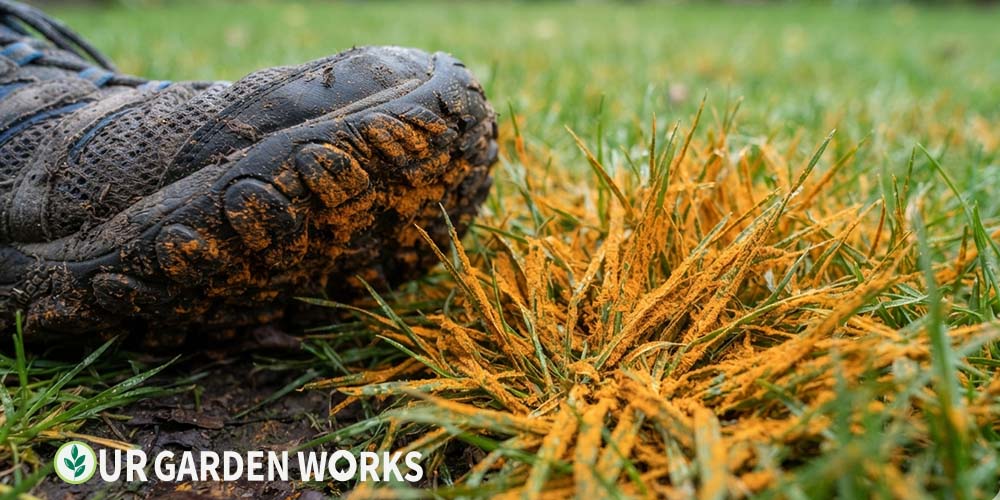
Orange powder on grass blades that rubs off on your shoes is almost always rust fungus. Here’s how to confirm it, treat it, and prevent it from spreading.
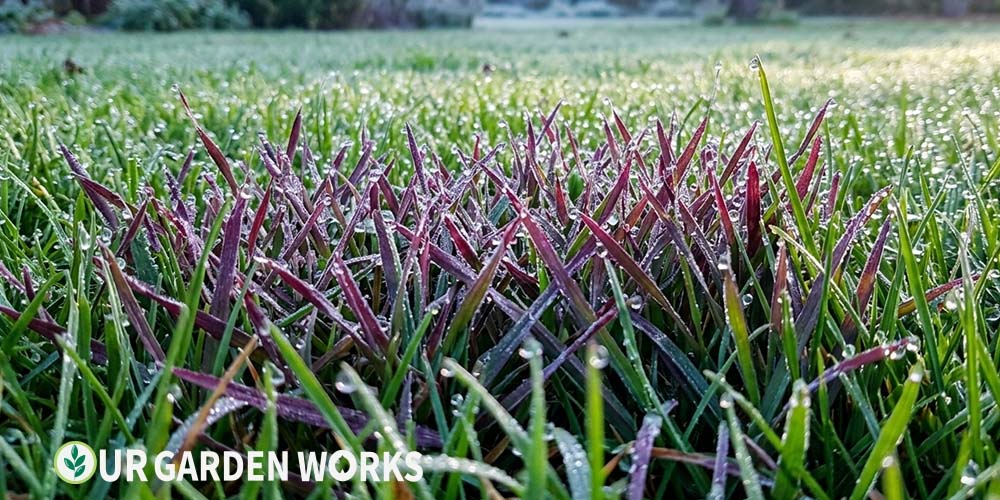
Purple grass blades usually mean phosphorus deficiency or cold stress, the same connected causes seen in many garden plants. Here’s how to diagnose and fix it.
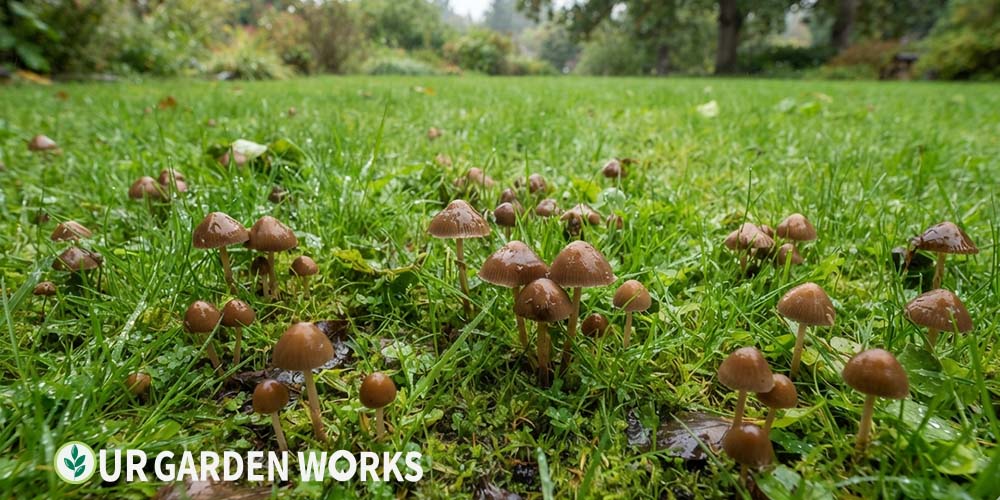
Mushrooms in your lawn are a sign of healthy soil decomposition, not damage. Here’s why they appear, whether they’re a problem, and what to do about them.
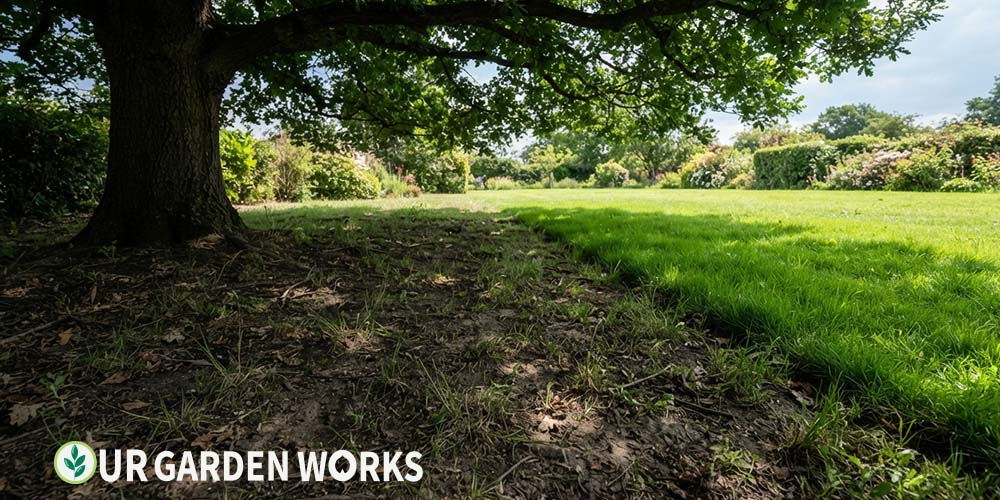
Thin, patchy grass in shaded areas usually means the wrong grass type for the light available. Here’s what actually fixes it, beyond just reseeding again.
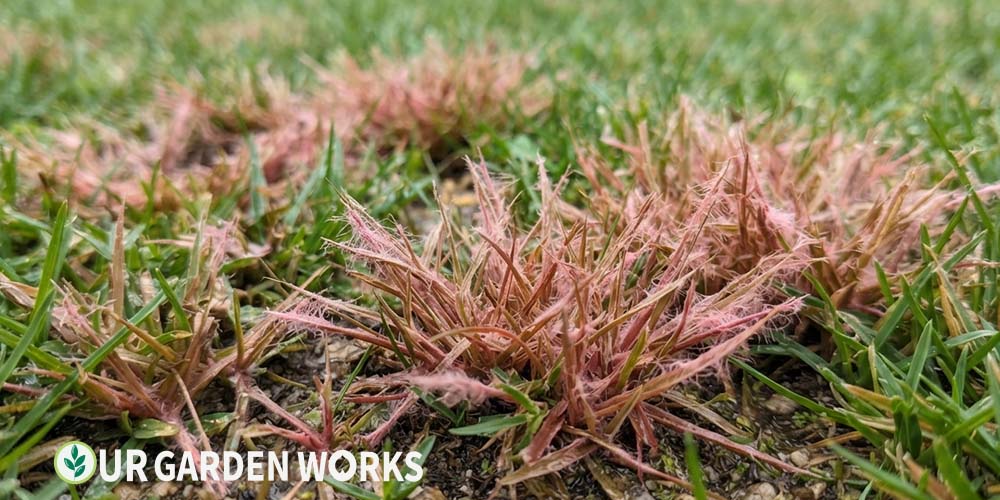
Pink or reddish patches in lawn almost always mean red thread fungal disease. Here’s how to confirm it, treat an active outbreak, and prevent it from returning.
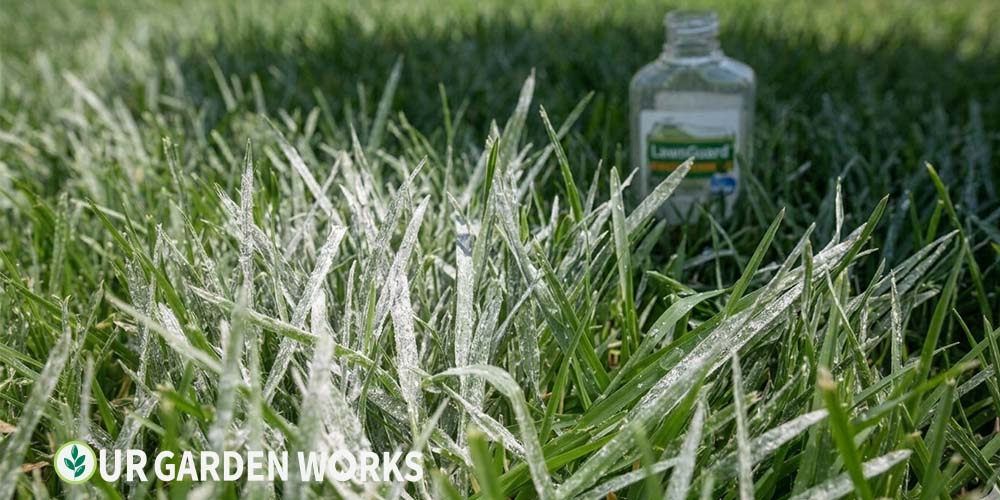
White powder on grass blades is usually powdery mildew, but a couple of other causes can look similar. Here’s how to confirm it and the right treatment.
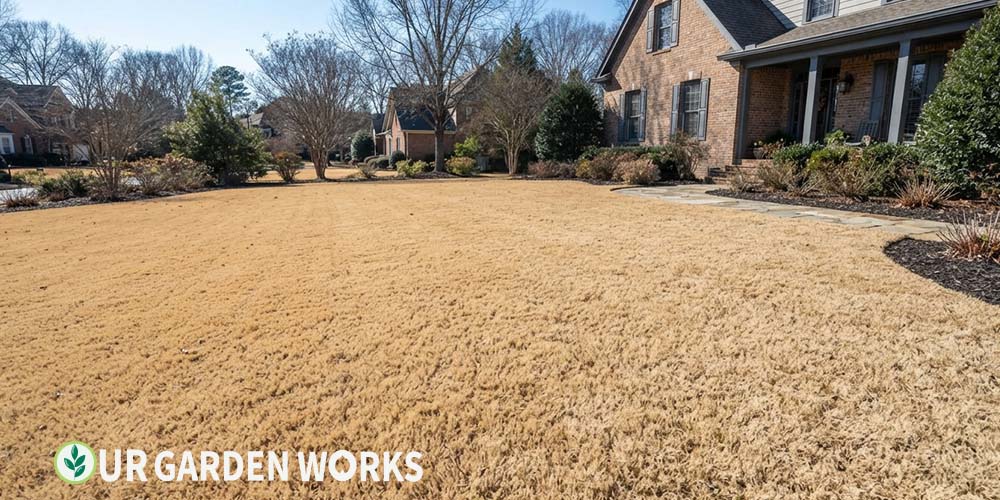
A yellow or tan lawn in winter is usually normal dormancy, not a problem. Here’s how to tell natural winter dormancy apart from genuine issues worth addressing.
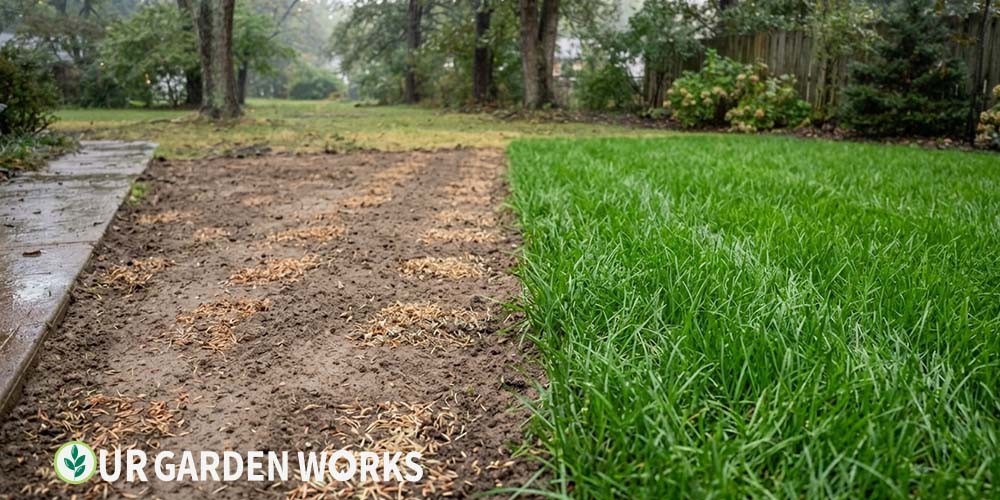
Grass seed that won’t germinate or grow has several common causes, from poor seed-to-soil contact to wrong timing. Here’s how to identify which one and fix it.