Lawn Turning Brown After Mowing – 4 Causes and Fixes
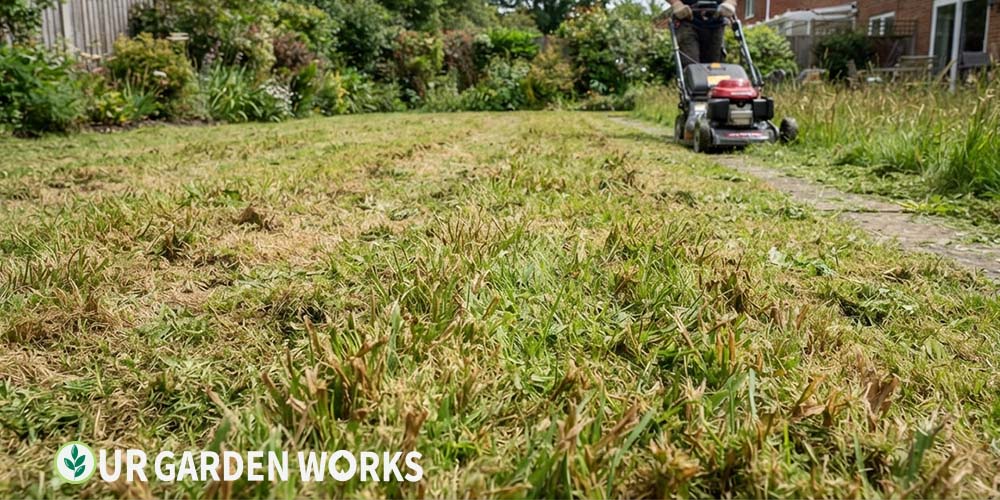
A lawn browning right after mowing usually means scalping, dull blades, or mowing in heat stress. Here’s how to identify the cause and prevent it next time.
A lawn browning right after mowing usually means scalping, dull blades, or mowing in heat stress. Here’s how to identify the cause and prevent it next time.
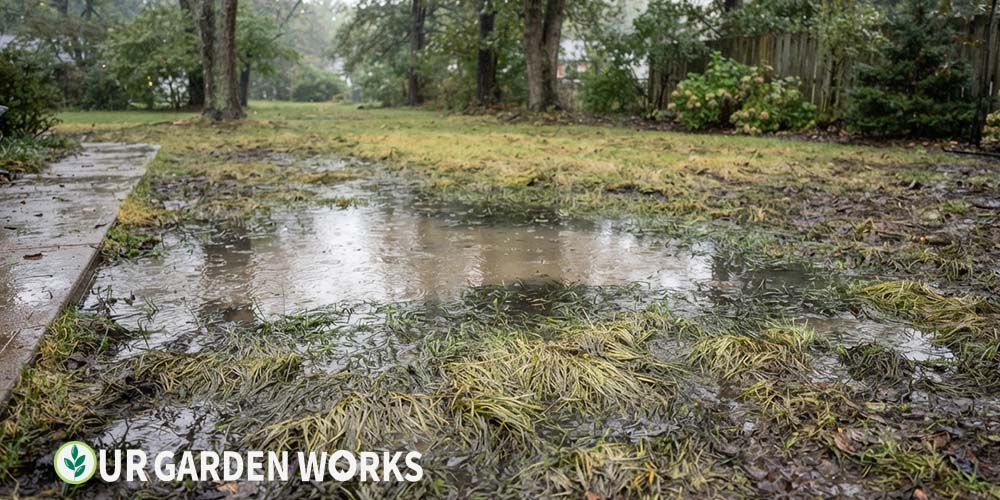
A lawn dying after heavy rain almost always means waterlogged, oxygen-starved roots. Here’s why this happens, how to help your lawn recover, and how to prevent it.
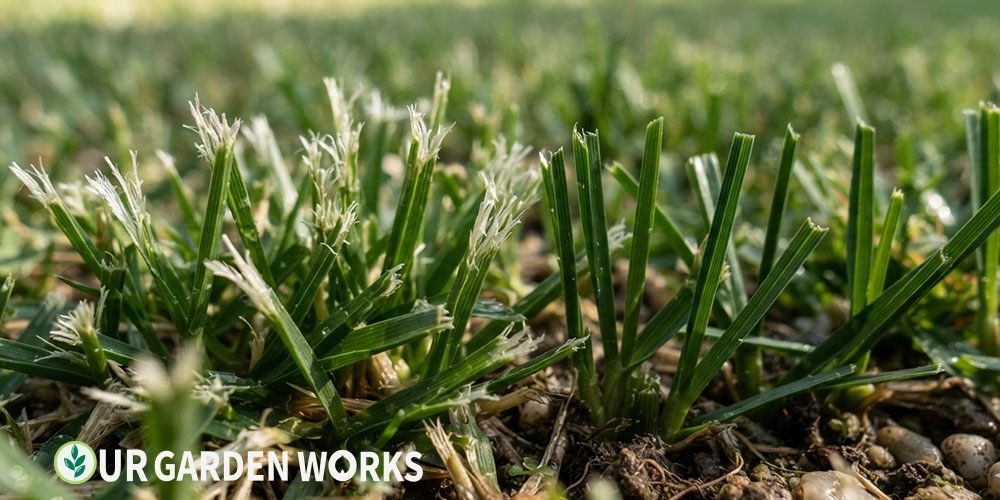
White, frayed grass blade tips after mowing almost always mean dull mower blades. Here’s how to confirm it and the simple fix that prevents it going forward.
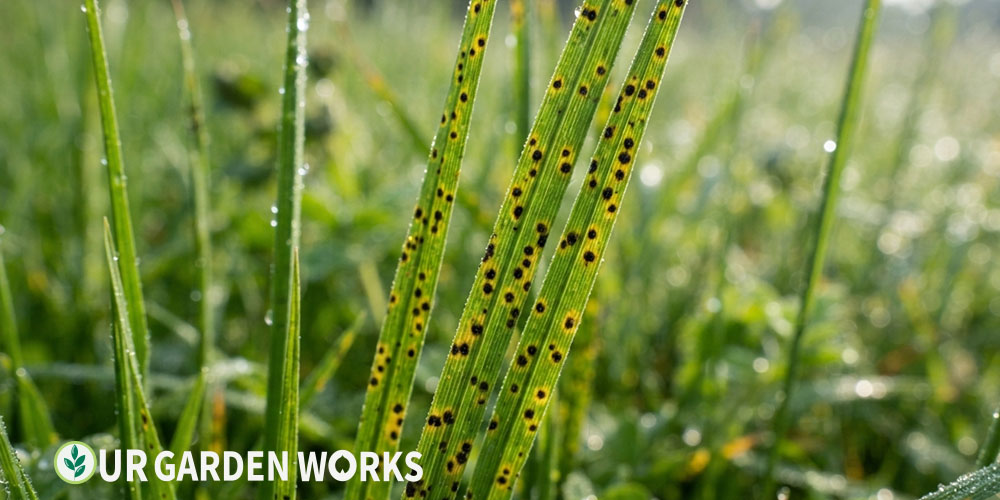
Black spots on grass blades usually mean a fungal leaf spot disease or slime mold. Here’s how to tell them apart and the right treatment for each.
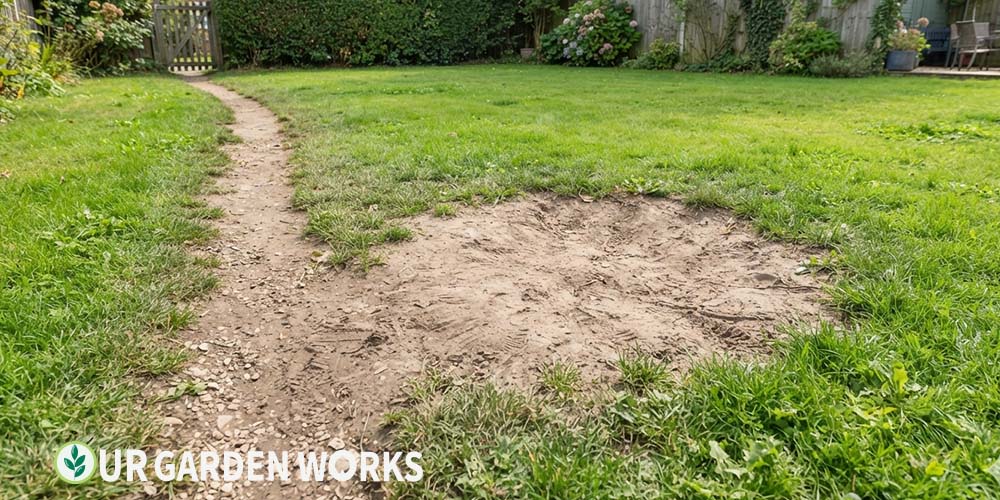
Bare lawn spots that won’t grow back usually trace to compaction, shade, or buried debris. Here’s how to diagnose the real reason and finally fix it.
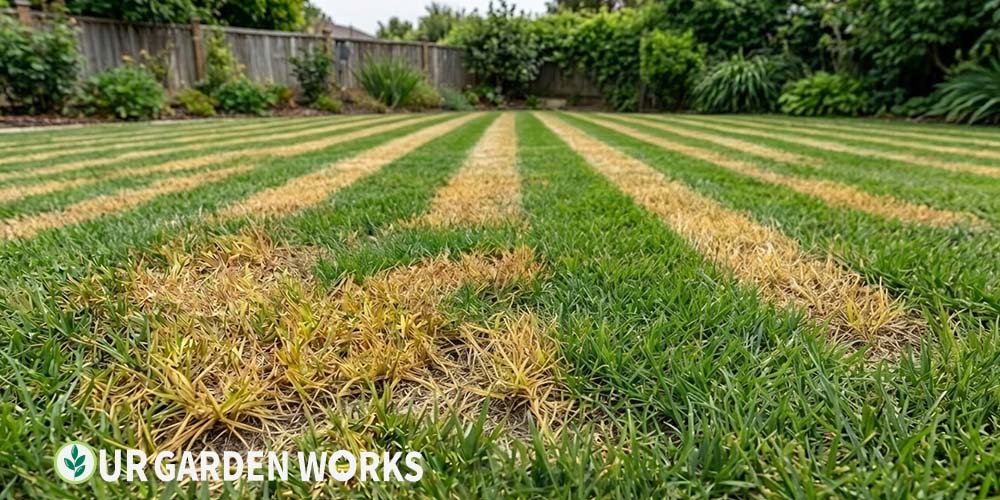
A striped pattern of dying grass usually points to fertilizer or mower equipment issues, not disease. Here’s how to read the stripe pattern and fix it.
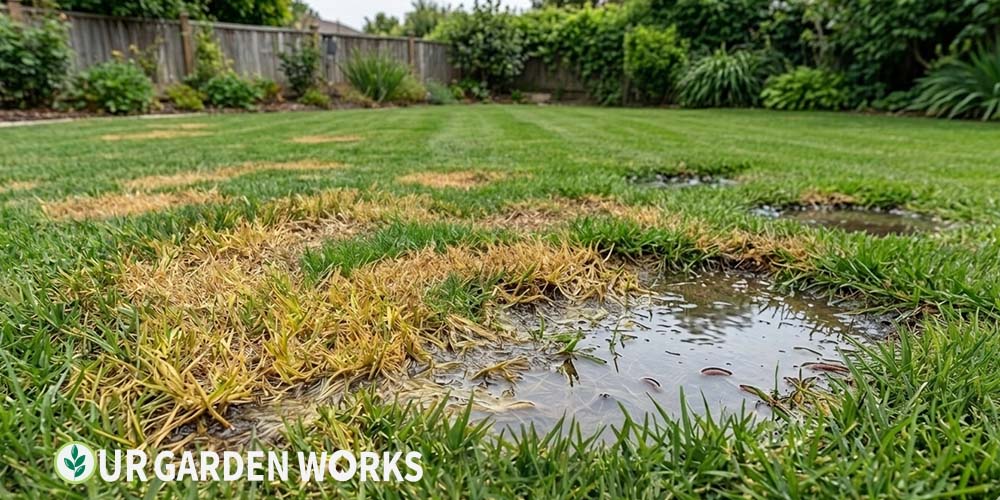
Dead patches that appear or worsen after rain usually point to waterlogging, fungal disease, or runoff. Here’s how to diagnose which one and fix it.
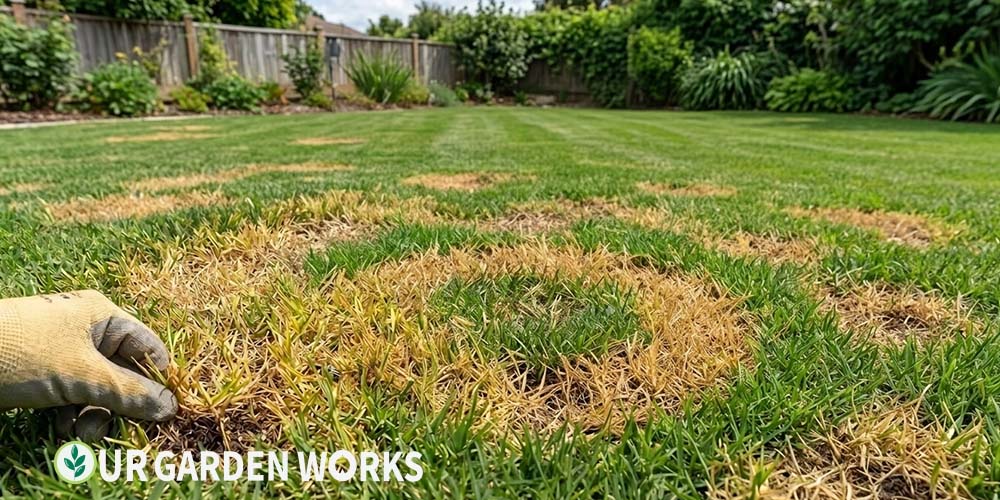
Brown patches in your lawn have eight distinct causes, from grub damage to fungal disease. Here’s how to identify which one you have and the right fix.
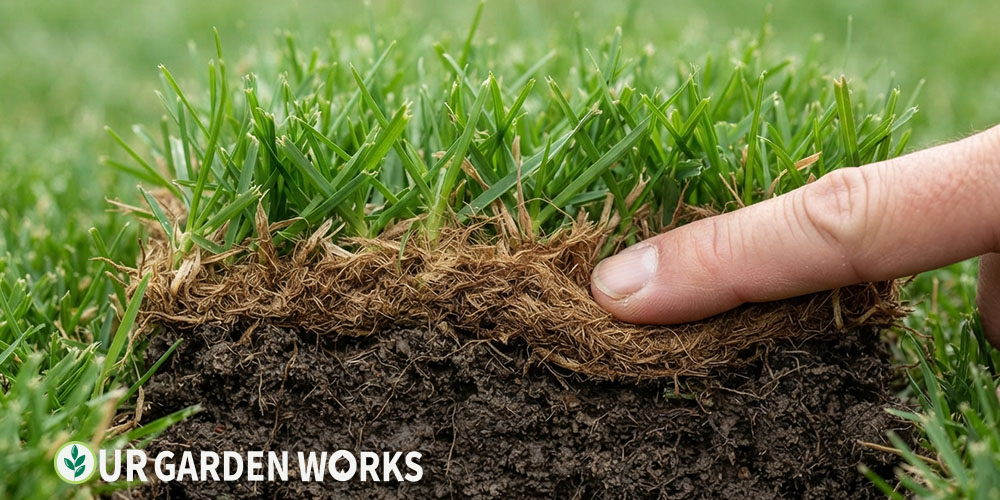
A spongy, bouncy lawn usually means thatch buildup or grub damage — two very different problems with very different fixes. Here’s how to tell them apart.
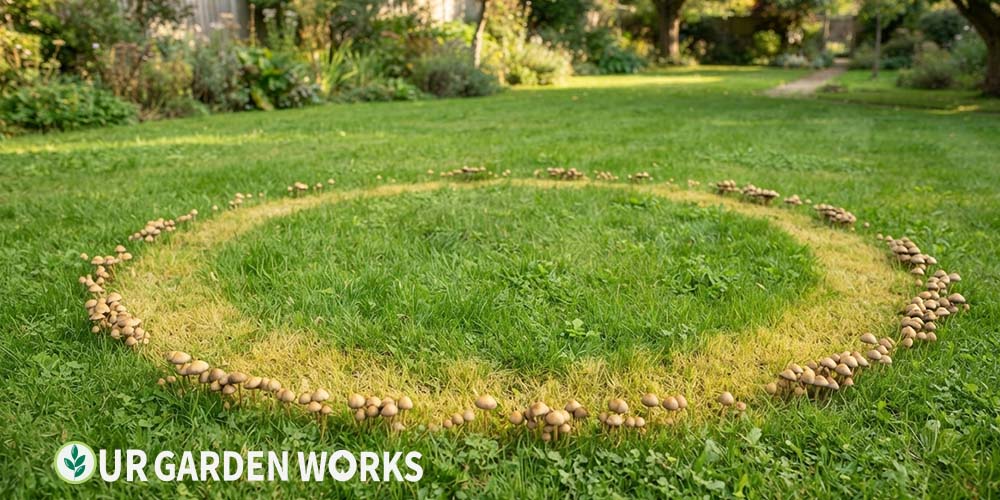
Yellow rings in grass usually mean fairy ring fungus, but a few other causes produce a similar pattern. Here’s how to tell them apart and the right fix.