VIEW BY CATEGORY


OUR BUYING GUIDES
6 Best Fertilizer Injectors For Drip Irrigation System (Top Picks in 2026)
Wouldn’t it be nice if you could both feed and water your plants in one…
The Best Mosquito Repellent in 2026 (Best for Camping, Backyard, Travel)
Summer and humid weather bring out the best of nature and the worst kinds of…
Unleash Your Garden’s Potential: 10 Best Neem Oil Picks for 2026
Neem oil has been a popular choice for organic gardening for hundreds of years. The…
10 Best Fertilizers for Petunias That Will Make Your Garden Pop (2026)

Petunias are usually the least type of plant that you will consider fertilizing. It is…
Top 10 Best Fertilizers for Majesty Palms in 2026(Healthy, Green Growth)

Majesty palm is a typical indoor plant that gives a tropical ambiance to a house….
10 Best Heating Lamps for Plants (2026) to Protect Against Winter Chill

Grow lights and heating lamps made indoor gardening a reality for most gardeners. It’s one…
10 Best Fertilizers for Pine Trees: Slow-Release Formulas That Work (in 2026)

Pine trees are the least likely evergreens that you might consider fertilizing. However, even these…
12 Best Dandelion Killers to Remove Weeds Without Harm (2026)

Dandelions may not be the worst weed existing due to their edible leaves, but they…
10 Best Lemon Tree Fertilizers in 2026 to Keep Your Citrus Thriving Year-Round
Lemon trees are heavy feeders and require a lot of nutrients during the flowering and…
SEE OUR LATEST POSTS

The 10 Best Backyard Hammocks To Reinvent Your Home (Reviews in 2026)
Since many of us are spending more time at home these days, why not make…
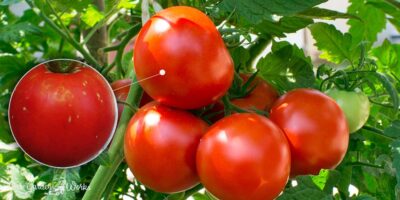
White Spots on Tomatoes: 4 Causes, Fixes & Safety Guide (2026)
White spots on tomatoes are caused by four main things — stinkbug feeding, sunscald, bacterial canker, or ghost spots from botrytis. Stinkbug damage and sunscald are the most common. The spots are usually safe to cut around and eat. This guide identifies each type by appearance and tells you exactly what to do.
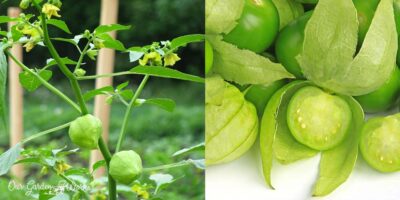
Are Tomatillos Toxic or Safe to Eat? What You Can (and Can’t) Eat (2026)
Ripe tomatillos (when the husk has split and the fruit is firm and slightly sticky) are completely safe to eat raw or cooked. The papery husk and the unripe fruit are mildly toxic — they contain solanine, the same compound in green tomatoes. Remove the husk, rinse off the sticky residue, and the tomatillo is ready. This guide covers what’s safe, what to avoid, and how to tell when they’re ripe.

The 10 Best Fertilizers For Citrus Trees – Reviews & Buying Guide in 2026
Wouldn’t it be nice to have a lemon tree in your yard? It may sound…

Why Aren’t My Roses Blooming?: Top 9 Reasons And How To Resolve Them
As a gardener, it can be frustrating to see your roses without any blooms. You’re…

10 Effective Tips On How To Get Rid Of Weeds In Your Flower Beds
Learning how to get rid of weeds in flower beds is part of every gardener’s…

10 Best Insecticides For Citrus Trees – Top Picks for 2026
Pests enjoy munching on citrus trees just as we enjoy eating citrus fruits. If you…

How To Grow Sugar Cane At Home And Create Homemade Sugar Cane Syrup
Sustainable living is one of the top trends these past few years. One of its…

What Causes Yellow Leaves On Knockout Roses And How To Avoid Them
Knockout roses are known as a low-maintenance and disease-resistant variety of roses. However, even the…
10 Best Fertilizers For Cucumbers – Top Picks for 2026
Cucumbers are one of the most refreshing fruits that grow during summer. If you are…
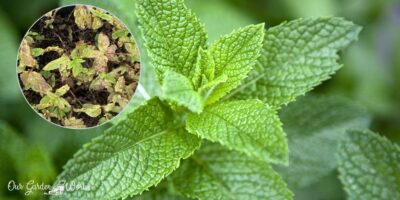
7 Causes Why Mint Leaves Turn Brown And How To Solve Them
Mint belongs to the famous herbs around the globe for its menthol flavor and fruity…
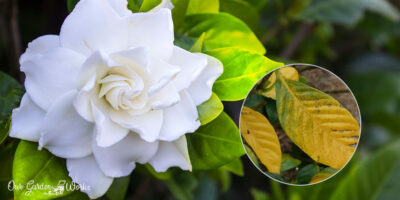
How To Use Vinegar Effectively For Treating Yellow Leaves In Gardenia
Gardenia is a sensitive plant. It easily picks up temperature changes and needs a precise…