White Fuzz on Plant Leaves – Mold or Mealybugs
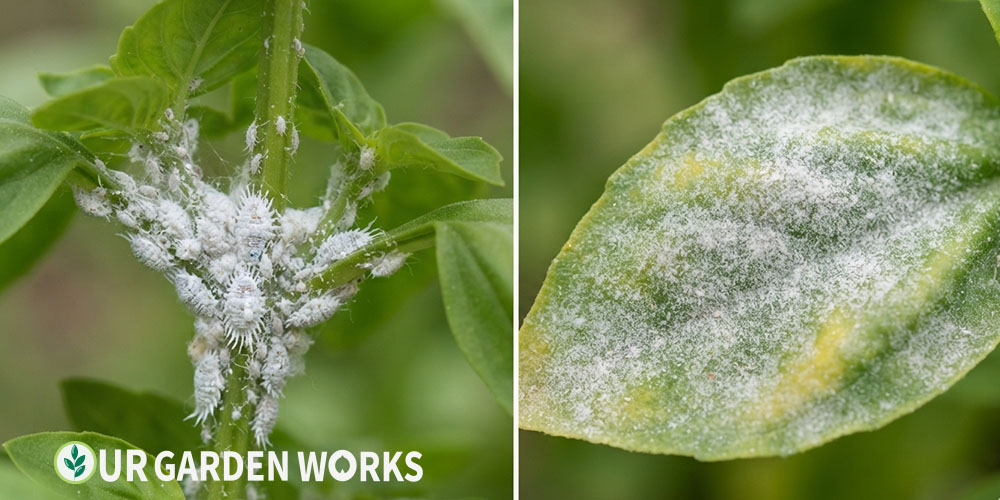
White fuzz on plant leaves means either mealybugs or a fungal disease, and telling them apart takes one simple check. Here’s how to identify and treat each.
White fuzz on plant leaves means either mealybugs or a fungal disease, and telling them apart takes one simple check. Here’s how to identify and treat each.
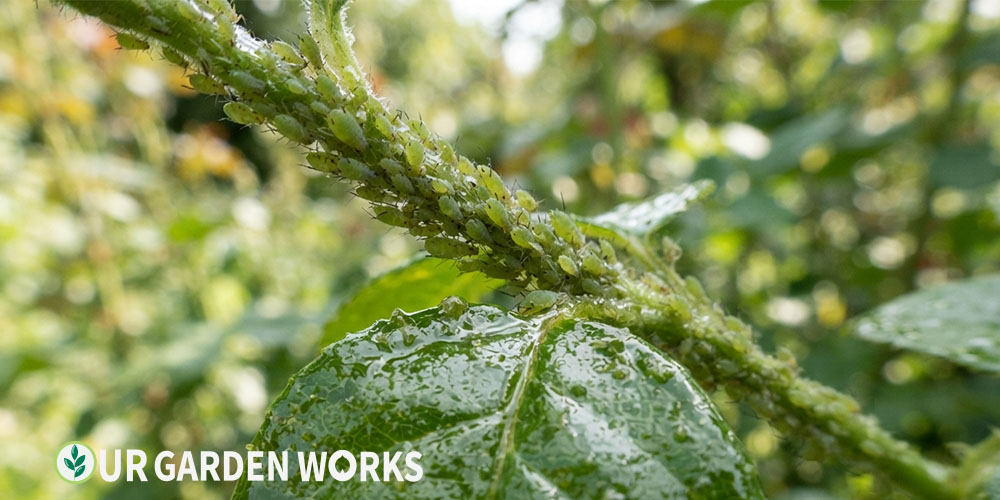
Sticky residue on plant leaves almost always means a sap-sucking pest is present. Here’s how to identify which one and the right way to treat it.
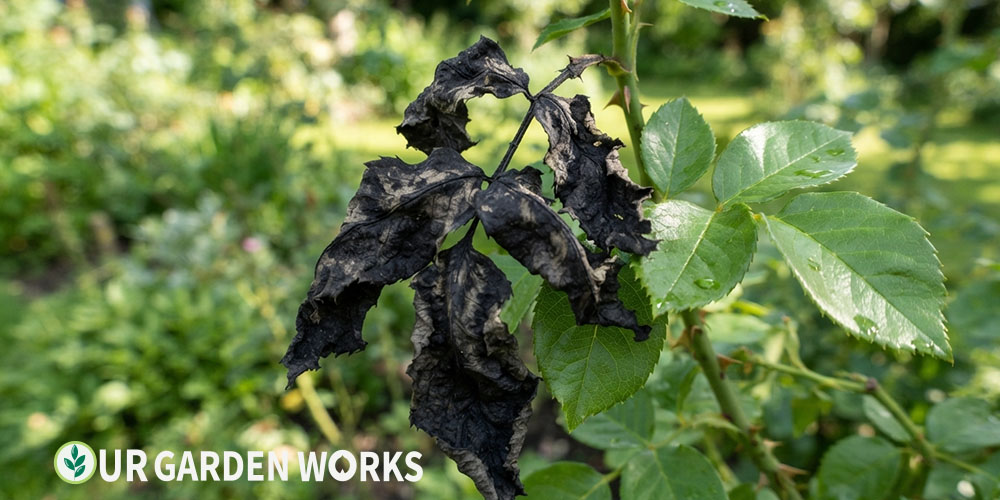
Leaves turning fully black on roses usually means advanced black spot, frost damage, or fireblight. Here’s how to tell them apart and what to do next.
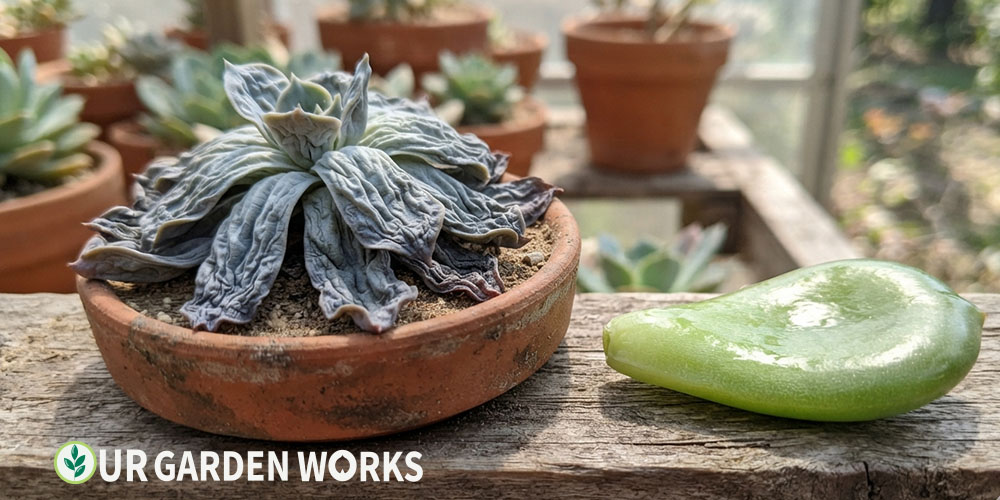
Wrinkled, puckered succulent leaves usually mean underwatering, but not always. Here’s how to identify the exact cause and bring your succulent back to full.
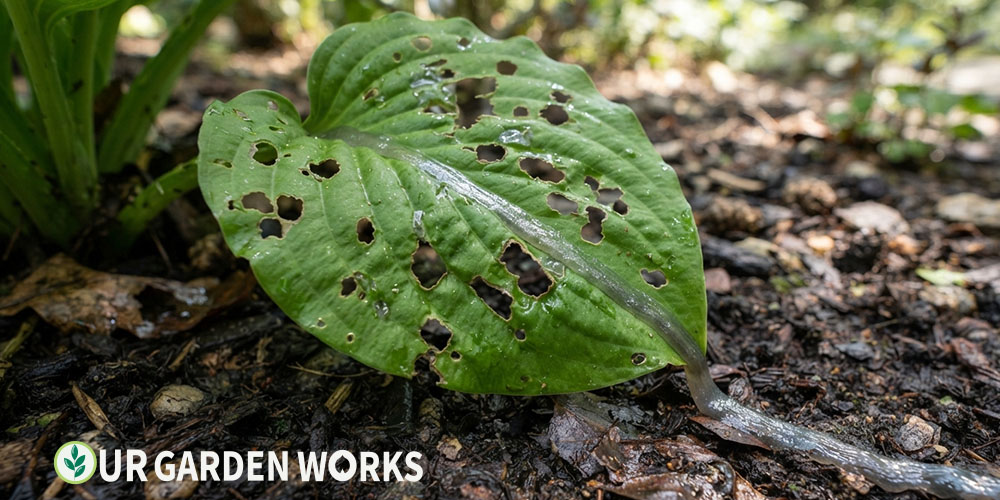
Holes in hosta leaves are almost always slugs, but not every time. Here’s how to confirm slug damage and rule out the less common alternative causes.
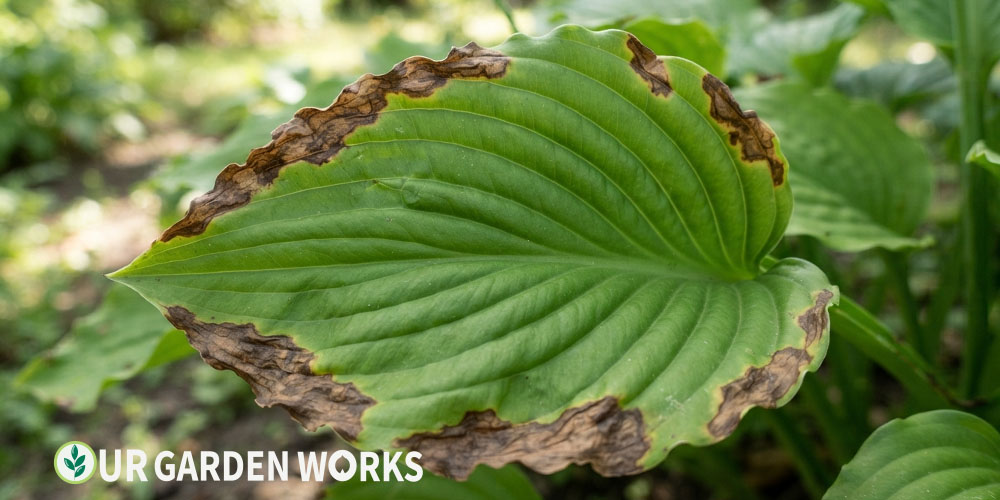
Brown spots on hosta leaves have several distinct causes, from fungal leaf spot to sunscald. Here’s how to identify which one you have and the right fix.
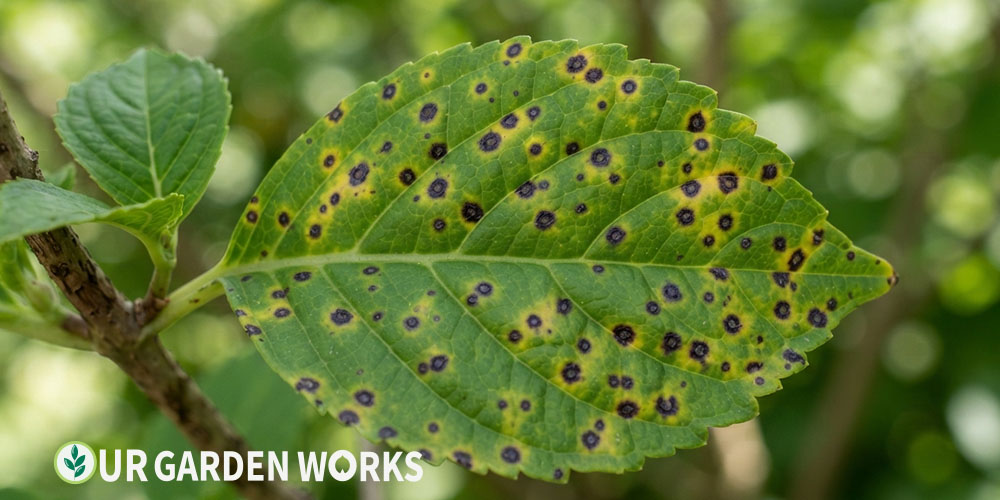
Black spots on hydrangea leaves usually mean Cercospora leaf spot or anthracnose. Here’s how to identify which fungal disease you have and the right fix.
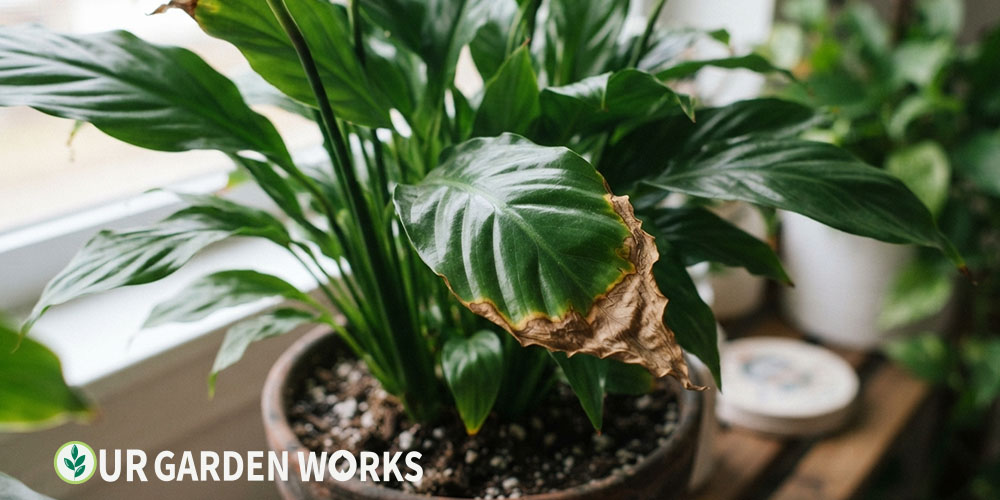
Brown tips on peace lily leaves usually mean one of five things — most commonly water quality or underwatering. Here’s how to identify the cause and fix it.
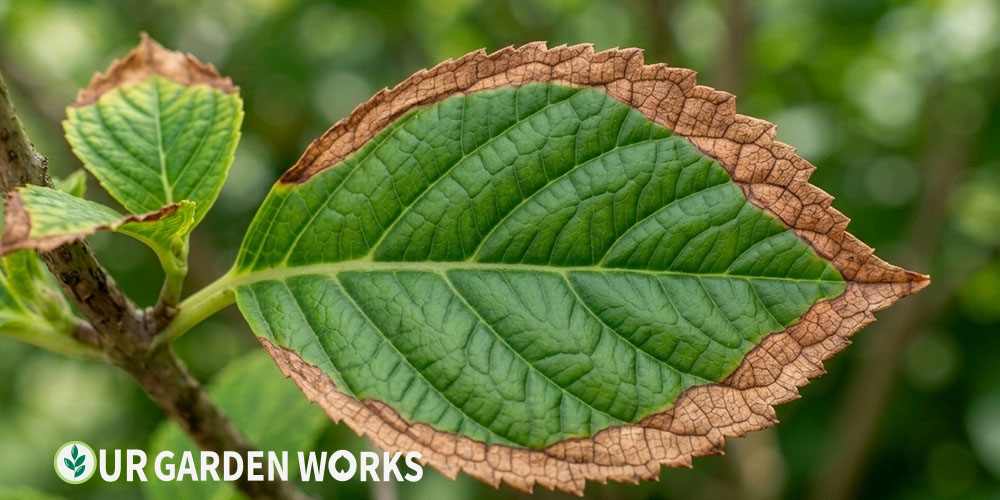
Brown edges on hydrangea leaves are almost always about water — too little, too much salt, or too much sun. Here’s how to identify which one and fix it.
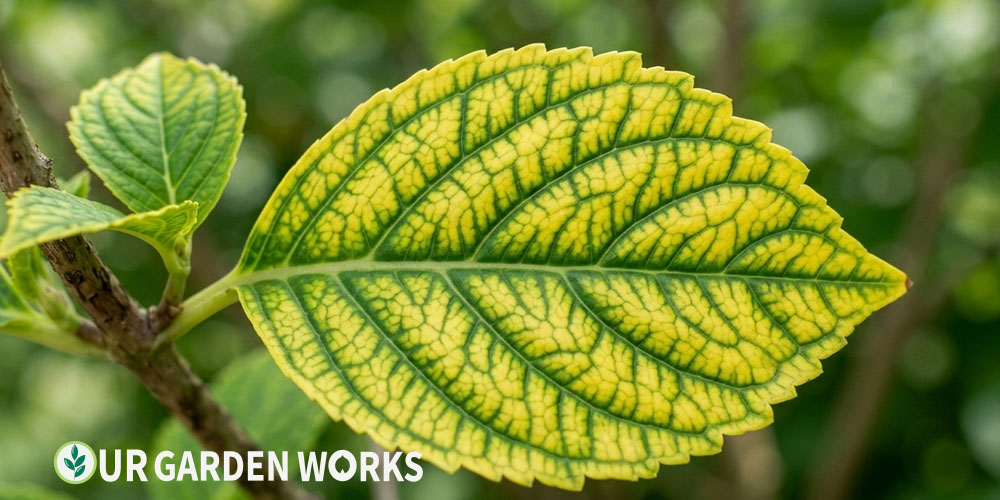
Yellow leaves on hydrangeas have seven distinct causes, from iron deficiency to overwatering. Here’s how to identify which one you have and the exact fix.