White Fuzz on Plant Leaves – Mold or Mealybugs
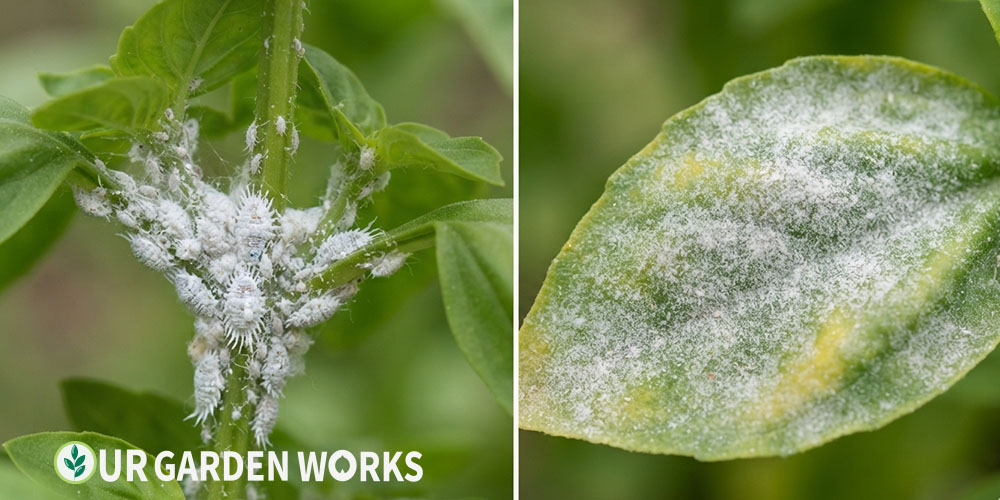
White fuzz on plant leaves means either mealybugs or a fungal disease, and telling them apart takes one simple check. Here’s how to identify and treat each.
 OGW Editorial Team
White fuzz on plant leaves means either mealybugs or a fungal disease, and telling them apart takes one simple check. Here’s how to identify and treat each.
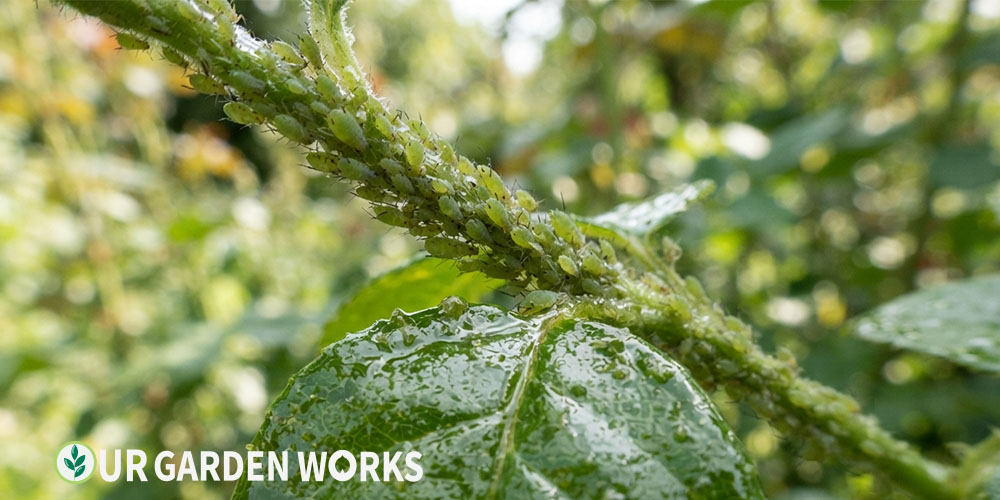
Sticky residue on plant leaves almost always means a sap-sucking pest is present. Here’s how to identify which one and the right way to treat it.
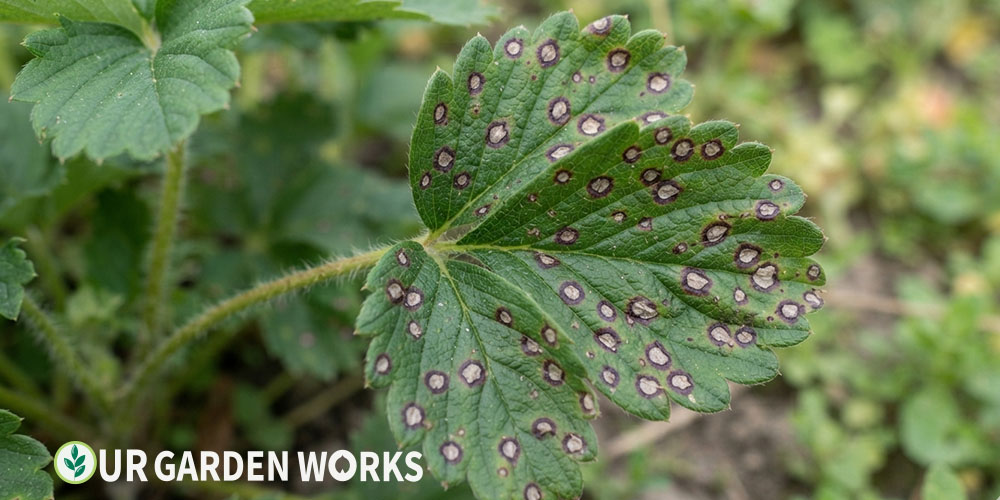
Spots on strawberry leaves have several distinct causes, from leaf spot to leaf scorch disease. Here’s how to identify which one you have and the right fix.
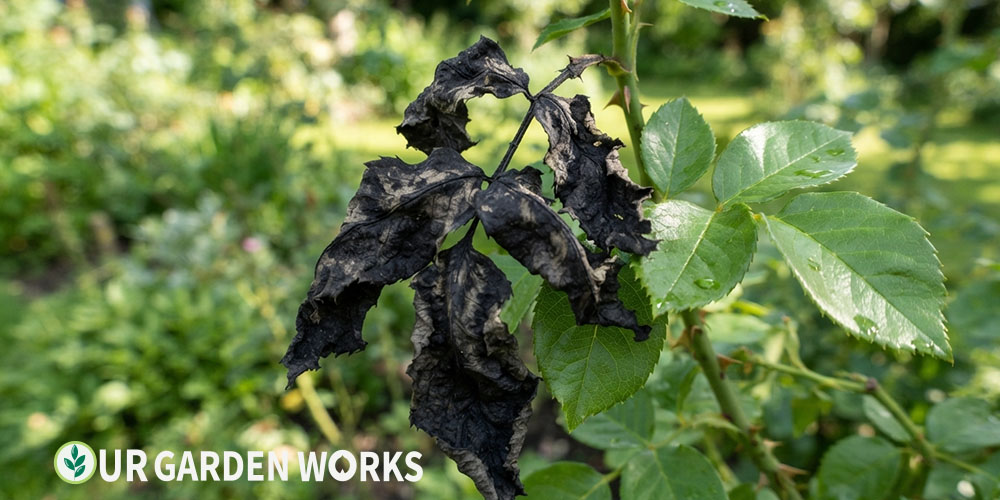
Leaves turning fully black on roses usually means advanced black spot, frost damage, or fireblight. Here’s how to tell them apart and what to do next.
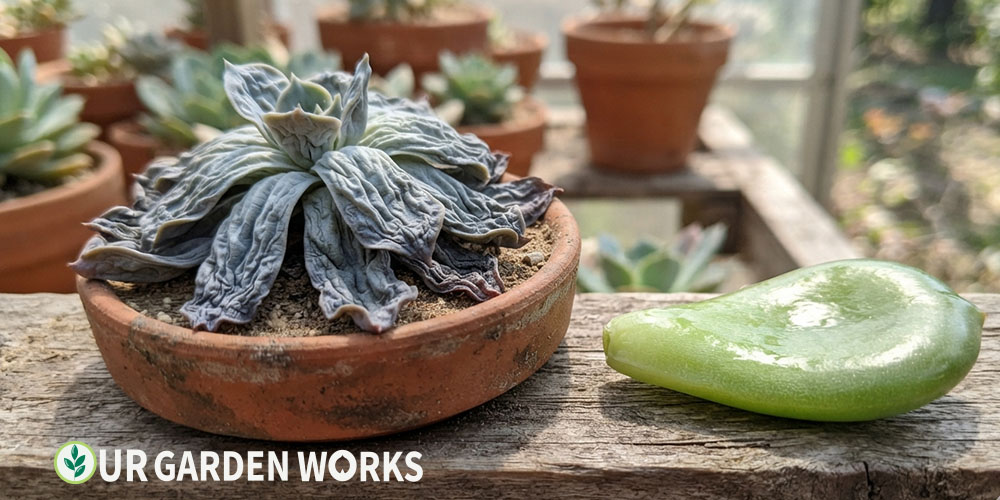
Wrinkled, puckered succulent leaves usually mean underwatering, but not always. Here’s how to identify the exact cause and bring your succulent back to full.
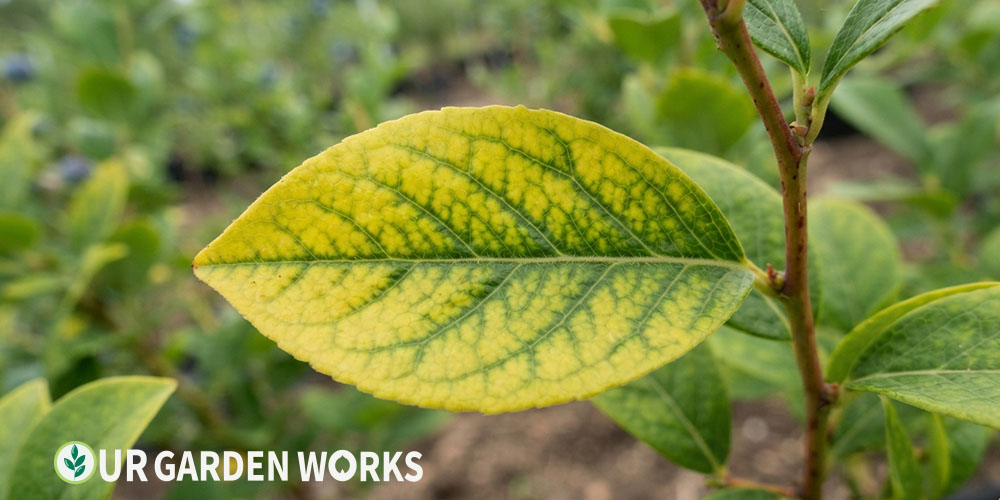
Yellow leaves on blueberry bushes almost always trace back to soil pH. Here’s how to identify iron chlorosis and the other causes, plus the right fix.
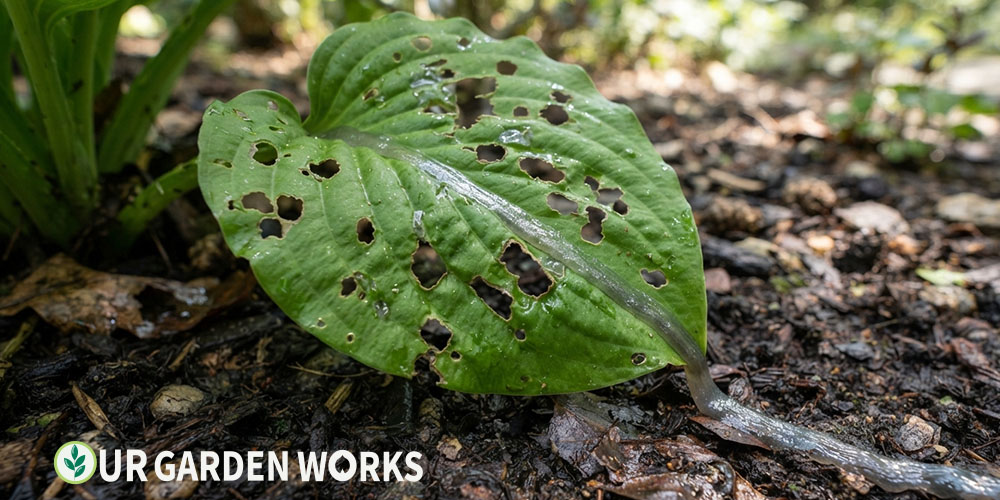
Holes in hosta leaves are almost always slugs, but not every time. Here’s how to confirm slug damage and rule out the less common alternative causes.
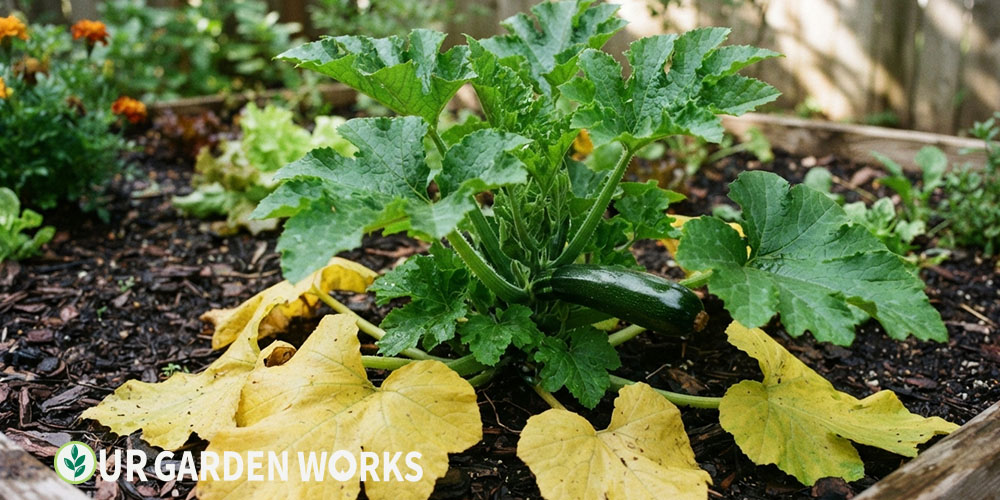
Yellow leaves on zucchini plants have several distinct causes, from squash vine borer to natural lower leaf aging. Here’s how to identify which one you have.
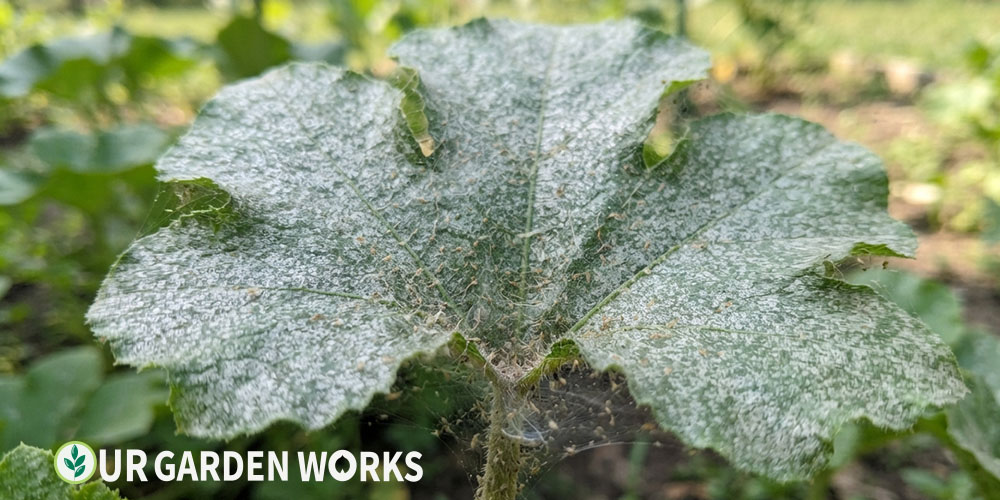
Silvery, stippled squash leaves almost always mean spider mites. Here’s how to confirm them with a simple paper test and treat an infestation effectively.
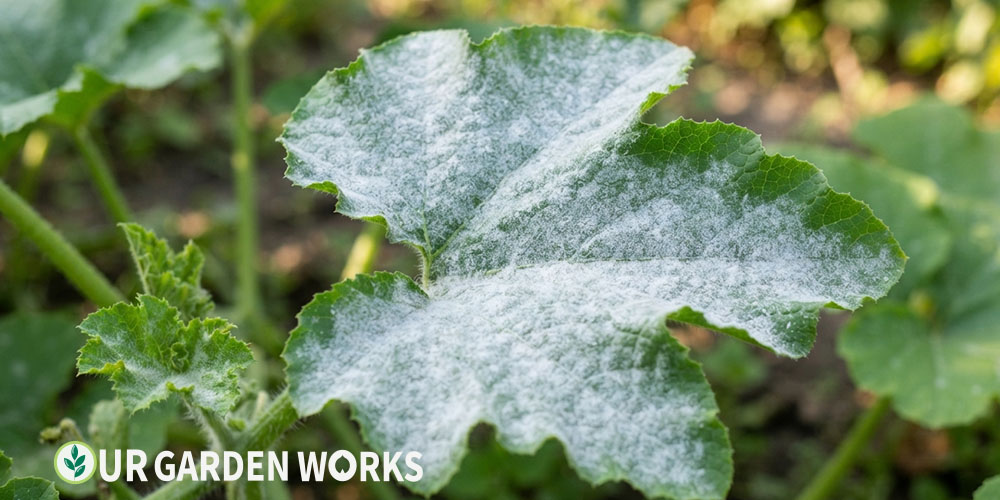
White powder on squash leaves is almost always powdery mildew. Here’s how to confirm it, treat an active infection, and keep it from taking over your squash patch.