
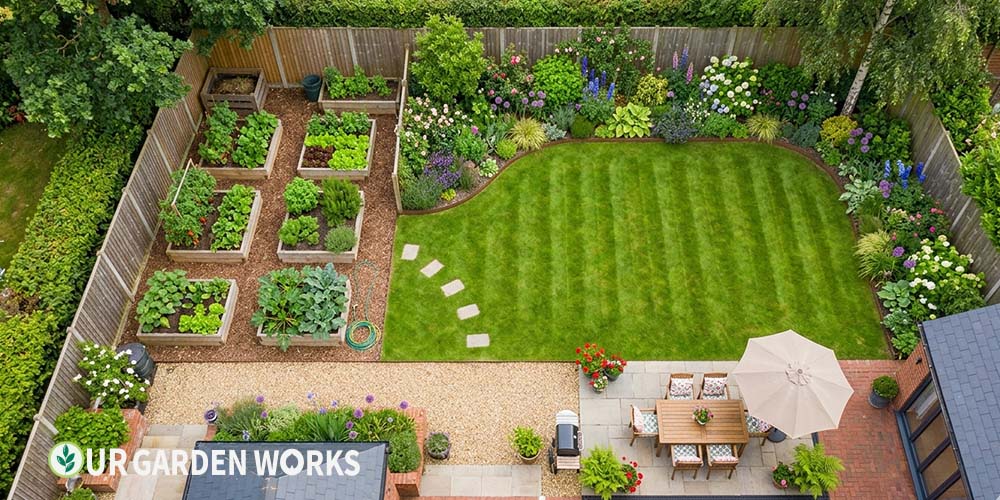
(Describe your yard areas by sun exposure, slope, soil drainage, and proximity to the house. The planner recommends the best use for each zone — vegetable garden, ornamental border, lawn, seating area, or wildlife habitat.)
Most backyard garden problems – vegetables that don’t produce, lawns that die in patches, trees planted where they block the house — come from placing things without thinking systematically about what each area of the yard is actually suited for.
A shaded corner is a terrible place for a vegetable garden and a perfect place for ferns and hostas. A wet low spot is frustrating as lawn and wonderful as a rain garden. The zone planner matches what you want to do with what your specific yard conditions support.
Editor’s Note: The three most common backyard zoning mistakes: putting a vegetable garden in partial shade (vegetables need 6–8 hours of direct sun minimum), planting large trees where they will eventually shade the house or block views, and creating lawn in areas that are too shaded or too wet to maintain well. The zone planner identifies these problems before planting and suggests better alternatives for each condition.
How to Think About Your Yard in Zones
A productive backyard design thinks in concentric zones from the house outward — not because of any mystical principle, but because of practical access patterns. The things you use most often belong closest to the door.
Zone 1 — Right by the Back Door
Kitchen herbs, frequently harvested salad greens, and cutting flowers. These need to be close enough to reach during cooking — so close that you’ll actually pick them rather than skipping it. A container of basil by the back door gets used every day. Basil 100 feet away gets used twice a season.
Zone 2 — The Main Garden Area
Main vegetable beds, berry bushes, fruit trees, and ornamental borders. This should be your sunniest area (minimum 6 hours direct sun for vegetables, 4–6 hours for most ornamentals). Within 30–50 feet of the house is ideal — you will visit it daily, not occasionally.
Zone 3 — Lawn and Passive Areas
Lawn, seating areas, and ornamental features that don’t need daily attention. Can be further from the house. Shade from existing trees is an asset here — use it for seating areas rather than fighting it with struggling lawn.
Zone 4 — Edges and Wild Areas
Fence lines, back corners, transition areas. Best suited for native plantings, wildlife habitat, screening shrubs, or low-maintenance perennial borders. These areas rarely justify the effort of intensive cultivation.
For garden bed design and what to put in each zone once you’ve planned the layout, our 87 garden path ideas guide covers the structural elements that make zones feel cohesive, and our guide to covering mud in backyard addresses the most common problem zone — wet, low-lying areas that become mud patches.
Sun Mapping Your Backyard
Before placing anything permanent, map where sun falls in your backyard at different times of day and different seasons.
The sun’s angle changes dramatically between spring and summer — an area that receives 6 hours of sun in April may receive only 4 hours in July when trees have leafed out and the sun’s path is higher. A true sun map requires checking at 9 AM, noon, and 3 PM at multiple points throughout the season.
The practical shortcut: on a clear midsummer day, check your yard at 10 AM and 2 PM. Areas that are sunny at both times are full sun (6+ hours). Sunny at 10 AM but shaded at 2 PM: morning sun only (4–5 hours). Shaded at 10 AM but sunny by 2 PM: afternoon sun only (3–4 hours — too much heat for most vegetables, acceptable for drought-tolerant ornamentals).
Frequently Asked Questions
My backyard is mostly shaded — can I still have a vegetable garden?
A partially shaded backyard significantly limits vegetable options — most fruiting vegetables (tomatoes, peppers, cucumbers) need 6–8 hours of direct sun and simply won’t produce in shade.
However, leafy greens (lettuce, kale, spinach, arugula, chard) and many herbs (parsley, mint, cilantro) produce acceptably in 4–5 hours of sun. A shaded yard that can’t grow tomatoes can still grow excellent salad greens. Map your sunniest corner for whatever edible growing you do.
Should I remove my lawn to create more garden space?
Only remove lawn for space you will actively use and maintain. A vegetable garden or ornamental border requires annual maintenance — if you are not prepared to maintain it, an imperfect lawn is better than an abandoned bed.
The most satisfying approach: convert lawn to garden incrementally, one bed at a time, only as fast as you can maintain what you have already created. Our guide to preparing garden beds for spring covers the sheet mulching technique for converting lawn to bed without digging.
Free Tools & Guides:
Final Thoughts
We hope this planner helps you see your backyard as a set of different micro-environments — each with its own best use — rather than a blank canvas where anything goes anywhere.
The best backyard designs work with the conditions that exist rather than fighting them. For full backyard design ideas across different style preferences, our Backyard Garden Design Guide links to everything.
Share this free tool with a fellow gardener who has been putting things in the wrong places in their backyard for years and not understanding why certain areas never quite work — and let us know in the comments how it helped. Happy growing!
