

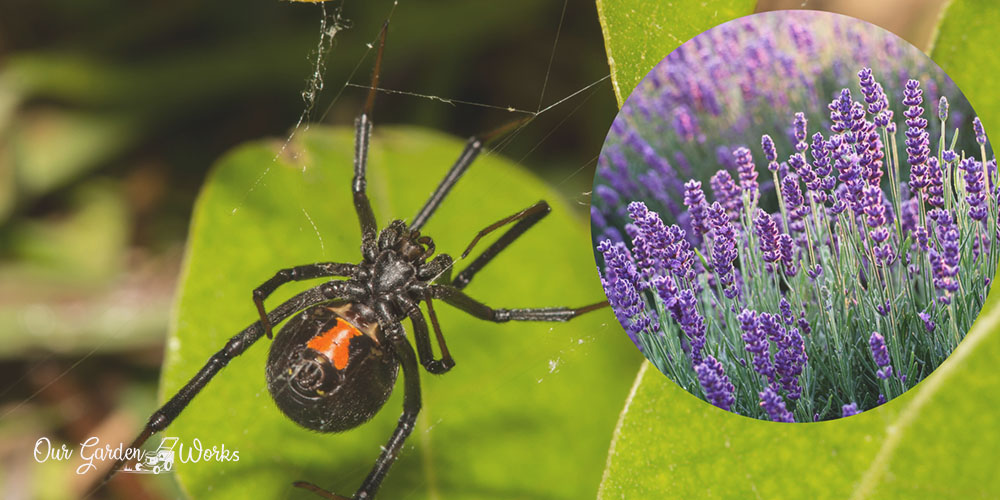
Lavender is a must-have herb not only because of its health benefits but also for its insect-repelling properties. You may use it as tea, dry it for its scent, or add it to your DIY pest repellent. However, does lavender repel spiders or does it invite them in?
Of all the pests in homes and gardens, a lot of people are freaked out by spiders and cockroaches. Most of them are usually harmless but can be heart-stopping as soon as they start to jump on you.
If you hate the shivers these critters give you, discover if you can use lavender and other herbs typically found at home as alternatives to chemical pesticides.
Q: Does Lavender Repel Spiders?
A: Lavender may or may not repel spiders. Spiders have a strong sense of smell through their legs and pedipalps.
Therefore, they can easily detect and move away from the strong aroma of lavender and other aromatic herbs and fruits in their surroundings. Unfortunately, some spiders, especially the big ones, may develop resistance from their smell.
Eucalyptus is found to be much better at repelling spiders of all sizes. Dealing with brown recluse and wolf spiders is on a different level and may require stronger repellents like eucalyptus as they are quite dangerous to have at home. Eucalyptus can also help deter other types of pests, such as:
- Fleas.
- Mosquitoes.
- Silverfish.
- Fleas.
- Mites.
- Lice.
- Bedbugs.
Aside from lavender and eucalyptus, other herbs possess strong scents that can repel spiders, such as:
How do you use lavender to keep spiders away?
If lavender can repel spiders, most people wonder, do spiders hate lavender in its other forms?
If you are dealing with inch-sized to medium-sized spiders, liquid and oil-based forms of lavender can repel them as long as they retain their strong scent.
Examples of these are:
- Lavender essential oil (for humidifiers).
- Lavender candles.
- Dried lavender.
- Lavender plant.
- Lavender tea bags (as long as the scent is retained).
Aside from using a lavender-infused candle or planting lavenders in your garden, you may also make a potent lavender solution. For a more targeted use of lavender, you may use lavender oil in three ways. These include:
Lavender cotton bombs
Probably one of the easiest and most replaceable ways is to use cotton balls and soak them in pure lavender oil. They will act as pungent bombs to pests similar to tear gas to us humans.
Here’s how to efficiently use them:
- Identify the common areas where you saw spiders or their possible hideouts like boxes. Usually, spiders stay around areas with high bug traffic like cabinets and areas near light fixtures.
- Soak the cotton balls with lavender oil and place them on those areas. Some people also use lavender balls as a freshener for their storage boxes which keeps the bugs away at the same time.
- Observe any reduction in spider sightings in your house. If they go away, then consistently replace and drop lavender cotton bombs in areas where they reappear.
Lavender sprays
A lavender spray is a more efficient option if the spiders in your house love to hang out on walls and random spots in your house.
Many people have different versions of lavender spray but the simplest of them all is listed below:
Ingredients:
- 10 to 20 drops of lavender essential oil.
- Spray bottle.
- 1 to 3 cups of water.
Directions:
- Add water to the spray bottle and add 10 to 20 drops of lavender oil. You may adjust the concentration of the oil depending on the level of spider infestation in an area.
- Spray the lavender solution on your indoor and outdoor furnishings where spiders are often seen. You may also spray it on window sills or possible entrances where they sneak out at night.
- Some people add citrus to the solution for double strength. However, citrus can cause stains on furnishings, especially on pillows or outdoor seating fabrics.
Lavender powder
If spiders are often found on your carpet, there must be some bug traffic in the area in which they are interested. The lavender powder doesn’t mean ground lavender but lavender oil mixed with baking soda.
Mixing lavender and baking soda makes a natural aromatic cleaner and repellent. Baking soda can soak up oil and dirt and neutralize the odor in your carpet while lavender can repel bugs and spiders away.
Here’s how to make one:
Ingredients:
- 1 cup of baking soda.
- 5 to 10 drops of lavender essential oil.
- Vacuum cleaner.
Directions:
- In a bowl, place the baking soda and drop 5 to 10 drops of lavender oil. Mix them until the scent of lavender is well distributed in the powder.
- Spot the areas of your sofa or carpet where you often see spiders and bugs.
- Sprinkle your DIY lavender powder on your carpet and leave it for 30 minutes to an hour.
- Clean up the area by vacuuming the carpet, leaving it clean and smelling good.
What spiders hate and love
Spiders don’t like the overpowering scents of plants. They can’t stand the aroma that we often enjoy using like fresheners and perfumes. These include:
- Citrus.
- Mint and menthol.
- Earthy scents from aromatic herbs and spices.
- Sulfur from allium plants like garlic and onions.
- Heavily scented blooms like marigolds, pansies, and nasturtiums.
Aside from focusing on what spiders hate, you may also look into what they love. According to a study by George Uetz from the University of Cincinnati, green is the spider’s favorite color. With their eight eyes, varying spider species can see:
- Ultraviolet light.
- Red.
- Orange.
- Green.
- Blue.
However, green attracts spiders because it gives enough contrast to their prey, improving their chances of catching them.
Wolf spiders, among other types of spiders, are fascinated by the color green. Therefore, arachnophobes should heed away from using green tones in their interior or home decor to avoid attracting these eight-eyed critters.
Myths about spiders
Before we share any spider-repellant tips, it’s best to identify the myths that are all over the pest control space today. Knowing them not only saves you time and energy but also resources that could have gone to more meaningful purposes.
Check the myths and truths about spiders below and be guided accordingly:
Myth #1: Spiders are aggressive and can bite you anytime
In reality, spiders are not as aggressive as many of us think. They are only in defense mode if they are threatened just like bees. They hate interacting with humans, let alone biting them randomly.
Spiders would usually hide and run away from you if you just let them walk away or leave them unharmed.
If only they could talk, they are probably screaming out of fear when you start jumping around them. They’re likely to bite in situations where they would be squished or predatory insects or animals are around
Myth #2: Pesticides are the best solution for managing spiders at home
While most exterminators and pesticide producers promote a total wipeout of the freaky spiders, it is unnecessary.
Setting sticky traps is a more effective, but inhumane option if the situation calls for their removal (i.e. when someone is already bitten). It does not expose you, your loved ones, and your pets to harmful chemicals and keep your indoor air safe, unlike pesticides.
Myth #3: Just slam the spiders with a broom or bat
By now, you’ve probably seen the viral video of a frightened man who slammed a mother spider on the floor and sent them running away from the area. Tiny spiderlings came rushing away from their mother as soon as the broom hit them which sent shivers to everyone who saw the video below.
When we are in alert mode, our reflexes often urge us to kill an insect with anything immediately.
However, you should avoid slamming spiders with anything as it may worsen the problem. Spiders, like wolf spiders, carry hundreds of their spiderlings on their back which can spread once you try to smack them with a broom.
Helpful ways to keep the spiders away
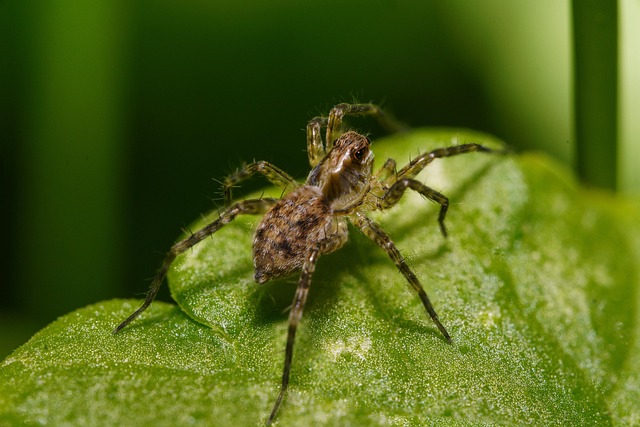
Spiders usually enter houses in autumn when the season turns cold. They are looking for a warm place and a source of food and water to survive which are all available in residential homes.
To permanently get rid of spiders, religiously check and maintain the following steps:
Plant aromatic plants and use oil diffusers to keep them at bay
Spiders and the bugs that they feed on hate the smell of strong scents and aromatic herbs like lavender and plants like marigolds.
Though the oil of herbs is usually more efficient, planting the aromatic herbs can repel the bugs that spiders love to eat.
Oil diffusers can also help disseminate the strong scent around your home or yard that can automatically repel pests. You just have to carefully choose those scents that they hate.
After all, oil diffusers are not only good for your health and well-being but also keep the critters away from your home.
Declutter your house and use plastic containers with lids
Spiders, bugs, and cockroaches love clutter because of the abundance of areas where they can stay and lay their eggs.
You may use all the potent pesticides and natural pest repellants available but as long as you don’t clear out clutter, the critters will just laugh it out and come back in no time.
The first step to decluttering is learning the art of letting go of unused stuff. Donate them or set up a garage sale so you can still earn from them. Though it’s hard.
Getting rid of your old stuff can make way for new things that can make you happier. Organize them and place them in plastic container boxes with lids so no critter can live in them.
Seal all possible entrances in your house
You cannot prevent spiders from seeking shelter from the cold. Instead, cover or seal window sills and exterior cracks to prevent them from entering your house. You may also place waterproofing rubber on your doors and use a caulking gun to seal any gaps around your windows.
Fireplaces can also be another entry point for critters and tiny animals like chipmunks and squirrels. To keep them off the chimney, you may place a screen at the top or a decorative fireplace seal if it is not used for heating.
Keep the bug traffic under control
Insects, even ants, are food to predatory insects. As long as they are present in your house, more predators will come looking for them.
To keep the bugs away, ensure that you maintain the following practices:
- Throw your garbage out every night before you sleep.
- Keep the sink clean and free from food debris.
- Ensure that your condiments and other kitchen spices are well covered.
- Maintain a weekly or monthly spring cleaning routine so you can routinely check if you have any unwanted tenants around.
- Fix any leaky plumbing fixtures like faucets and shower heads that cause moisture problems around the house. Insects and pests love to stay in humid areas where they will not dry out from cold air.
- Always check storage rooms, attics, basements, and areas that are rarely used every month to declutter and keep your stuff organized.
- Turn off outdoor lights at night to avoid inviting insects at night. If they are used for safety purposes, you may place them away from your doors and windows so pests won’t attempt to enter your house.
In Conclusion
Spiders are a vital part of our ecosystem. If you’re not afraid of them, there’s no need to keep them out. They help control the bug population in your home, including the disease-carrying ones like mosquitoes. You just need to deal with freaky eyes at night and spiderwebs.
Lavender is one of several companion plants used in natural garden pest management — alongside marigolds, citronella, and rosemary — that use scent-based compounds to deter insects without chemical intervention.
So, does lavender repel spiders? Definitely yes! We hope that this post helped you discover different ways of using lavender against the eight-eyed critters. We’re glad that you’re choosing a more eco-friendly and humane option to keep them at bay.
If you find this post helpful, please don’t forget to share this with your friends. Also, what’s your scariest spider story to date? Let us know in the comments!
