

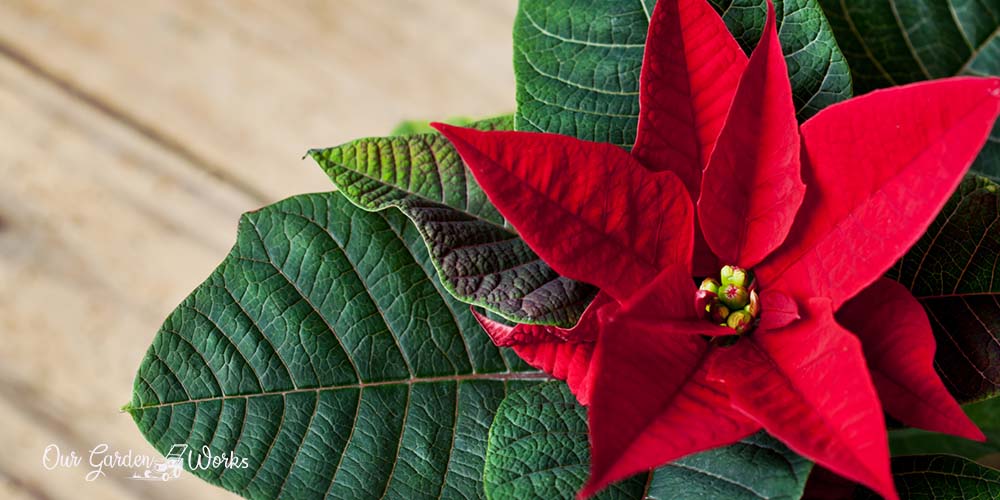
Poinsettias are iconic for their red and green colors during Christmas. Their leaves and flower-like bracts are sensitive to excessive moisture.
So, any new plant parent frequently asks: how often do I water poinsettia? With its delicate leaves and colorful bracts, a poinsettia is sensitive to excessive watering.
Overwatering is a usual issue for poinsettias, like in other houseplants. Aside from improper watering, several contributing factors can cause overwatering, such as changes in weather or season.
Discover how much watering is too much for your favorite Christmas plants and help prolong their blooming season.
Q: How often do I water poinsettias?
A: Water poinsettias as needed since they are sensitive to moisture. The best drought stress indicators are desert-dry soil and when the pot becomes too light when lifted. The root absorption and evaporation of soil moisture are affected by the weather. So, always check the soil moisture level before a routine weekly watering.
When checking the soil, gently place a finger in the top two inches of the topsoil and lift it to see if some soil particles stick to your finger.
If your finger comes out with dirt, the soil is still moist and should dry out for a few more days. If your finger is too dry, deeply water your poinsettias until the water comes out of the drainage holes.
How much water does a poinsettia need?
Poinsettias need deep watering after drying out in between waterings.
The best way to do this is to place the pot in the sink and let the water run until the soil soaks up all the water. Let the water drain all the excess water before moving it back to its location.
The amount of watering depends on the size of the poinsettia. Since it can grow into a shrub or a tree, the bigger the plant, the more water it needs.
Aside from well-draining soil, the crucial consideration is to ensure that the potting soil has dried enough before watering it again.
Overwatering poinsettias
Poinsettias are tropical plants that hate wet feet. They also hate overhead watering as it can attract fungal diseases. It is drought-tolerant but not to the extent that its leaves wilt due to an excessive lack of soil moisture.
Signs that you have overwatered your poinsettias
Are you wondering how overwatering affects poinsettias?
Here are some of the signs that you can check:
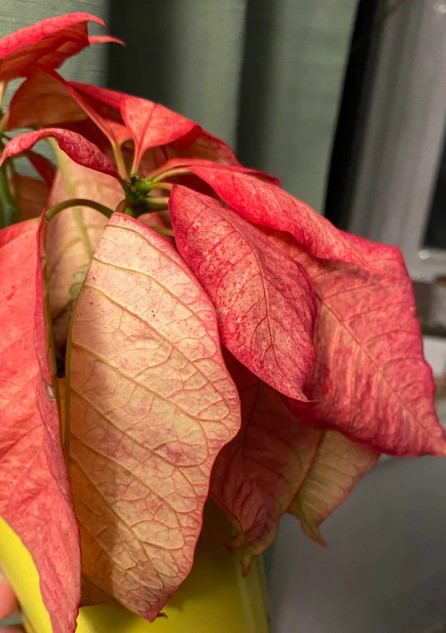
- Yellowing or browning of leaves: Poinsettia leaves can turn yellow or brown due to secondhand nutrient deficiency. It happens when the roots fail to absorb nutrients from the soil since they are drowning in water. Sadly, once the leaves or bracts turn yellow or brown, they will no longer turn green again. For this reason, it is better to underwater a plant than overwater it because poinsettias die faster with excessive water.
- Wilting: Sometimes, yellowing and browning of the leaves come after poinsettias wilt. The wilting can be tricky as it may also indicate temperature stress. To verify, you may check the soil moisture level or lift the plant to check for any signs of root rot.
- Lower leaves yellow and drop: All plants have an emergency system that activates when stressed. It works by supplying all its energy and nutrients to the essential parts of the plant and cutting off the supply of old leaves and unessential parts of the plant.
- Pungent smell: When you smell rotten eggs around your poinsettia, root rot has already commenced.
4 Factors that contribute to overwatering issues
Many gardeners wonder why they seldomly water their poinsettias but still experience overwatering issues. More than too much watering, other factors that indirectly cause overwatering in poinsettias are as follows:
(1) Soil drainage: Most potted poinsettias are prone to overwatering if the soil contains excessive water-retaining materials or the potting mix was left unchanged for two years. Perlite and bark are often added to containers to promote drainage.
All potting mix must be changed every two to three years because organic materials break down into tiny bits, which causes the soil to become more compact over time.
The ideal potting soil options for poinsettias are as follows:
- DIY mix: Three parts of potting mix, two parts of peat moss, and one part perlite.
- Philodendron potting mix (good alternative/quick fix).
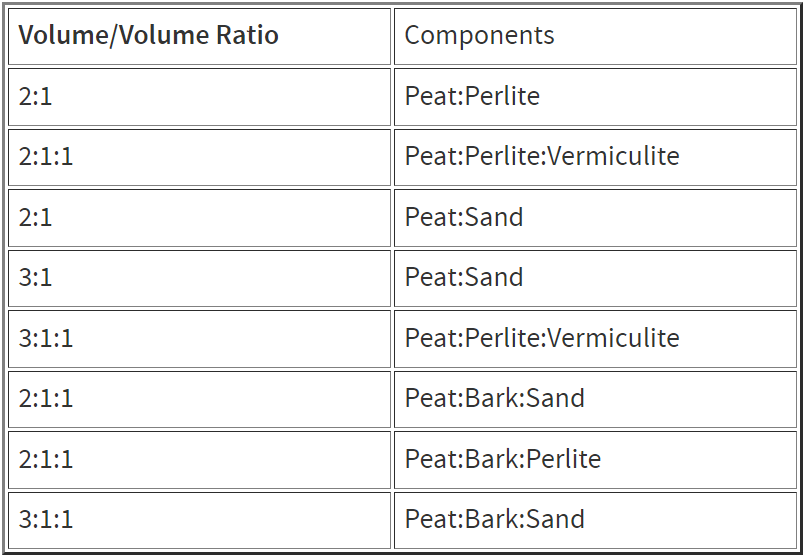
- According to the University of Texas, here are other poinsettia potting mix variations:
(2) Pot size: The pot size must correspond to the spread of the roots of your poinsettias. Otherwise, excessive soil in a big pot may drown the roots. When the pot is too big, the root system will fail to absorb the excess soil moisture, leading to water retention.
The ideal pot size must have a diameter that extends 1 to 3 inches longer than the drip zone of the poinsettia plant.
(3) Light exposure: Poinsettias need at least six hours of bright indirect sunlight daily. Aside from proper ventilation, light that reaches the topsoil also helps with optimal evaporation of soil moisture.
Daily sunlight exposure to poinsettias not only improves their photosynthetic processes but also contributes to the prevention of overwatering and moisture issues.
(4) Pot drainage: Decorative pots used for indoor gardening often lack enough potholes to promote proper drainage. With more holes in a plant pot, the better for your poinsettias.
One of the techniques used by gardeners to prevent overwatering is to use a liner pot placed inside a bigger decorative pot. You only need to ensure that the plant is drained well after watering before you place the liner pot back into its decorative pot.
How to treat an overwatered poinsettia
When dealing with poinsettias, the question should not be how often do I water poinsettias. Instead, the question is how much is too much watering for poinsettias since overwatering is a prevalent issue.
Treating an overwatered poinsettia is riskier than treating an underwatered one because of the possible damage caused by root rot. If all the roots rot, the plant may not survive.
Here are some of the steps that can try to save your poinsettia.
Visible overwatering signs
- If there are no signs of root rot, let your poinsettia dry out for several weeks. Delay the watering until it grows a new leaf or increases in height.
- Move it in bright indirect light somewhere close to windows or doors. Ensure that it receives good ventilation and protection from direct sunlight.
- You may spray a preventive fungicide around the plant since stressed plants are more susceptible to plant disease and pest infestations.
Root rot
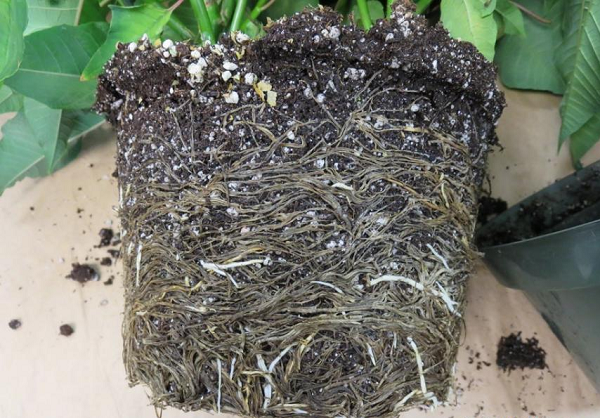
- When overwatering progresses to root rot, you should uproot the plant and inspect the roots. Check for any viable plant roots, and prune the rotten ones, which are mushy and black.
- Allow the root to air dry as you change the potting mix. Using a fresh potting medium, plant the poinsettia back and spray it with fungicide as a preventive measure.
- Skip watering your poinsettia and let it recover in a bright corner of your house or yard. Stressed poinsettias are not guaranteed to recover 100% all of the time. However, with enough viable roots left, it may recover fast in the right growing conditions.

Did You Know? The red, pink, or green flower-like stuff in poinsettias are not their real flowers. They are leaves called bracts that surround the tiny flowers at the center called cyathia. The colorful bracts are responsible for attracting pollinators and drop after pollination.
Underwatering
Since poinsettias don’t need a lot of water, some gardeners forget to water them altogether. Potted poinsettias placed in tight corners of the house or areas away from plain sight are at high risk for neglect.
Like overwatering, underwatering a poinsettia can also lead to plant stress that makes it more susceptible to disease and pests. However, it is better than overwatering because it only needs enough water to rehydrate and recover.
Signs that you have underwatered your poinsettias
Overwatered and underwatered poinsettias almost show the same symptoms. The only way to determine the real problem is to check the soil.
Underwatered poinsettias also wilt and have yellowing leaves. Another sign is if the soil is too dry and the pot is too light.
How to treat an underwatered poinsettia
- Treating underwatered poinsettia does not require digging. Place the plant under running water in the sink and deeply water the soil. Let the roots soak for five minutes, and allow the water to drain well.
- Remove any dried leaves to help the stressed plant conserve its energy.
- Place the pot in bright indirect light and give it time to recover. For better plant care, place the plant where you can easily see it to avoid forgetting to water it again.
- Check the soil every week by placing your finger on the top two inches of the topsoil, and see if it needs watering. Within a week or two, you will see the leaves rehydrate again.
Tips on taking care of poinsettias
Poinsettias are easy to grow, not too demanding of fertilizer, and sensitive to moisture.
If you want these iconic Christmas plants in your garden this year, here are some of the essential growing facts that you need to know:
- Soil requirements: Poinsettias need well-draining soil rich in peat moss. Poinsettias are tolerant of any soil acidity, but they prefer 5.8 to 6.2.
- Temperature requirements: As a tropical plant, poinsettia grows well in temperatures 65 F to 70 F. Their beautiful bracts and leaves are sensitive to frost and may wilt when exposed to drafts.
- Pest control: Common pests in poinsettias are spider mites, whiteflies, and fungus gnats. You may treat a mild infestation of these pests by splashing water on the leaves or applying diluted neem oil on the leaves.
- Light requirements: Poinsettias need around 5 to 6 hours of bright indirect light to boost their leaf and bloom development.
- Feeding: Poinsettias only need fertilizers after they produce new leaves or blooms to support their development. For optimal growth, you may routinely feed them every month or as needed.
- Maintenance: The only plant maintenance needed for poinsettias is to transplant them during early summer to 2 to 3-inch bigger pots, so they can spread their roots and grow new roots. You may also remove dried leaves, improve ventilation, and preserve their plant energy for other plant processes.
Pro Tip: When buying poinsettia seedlings from a nursery, place your poinsettias in an insulated bag for protection against temperature stress. The walk from the store to your car may be short, but it can shock the delicate leaves of poinsettias, which can lead to wilting.
In Conclusion
Poinsettias are iconic plants that can grow into full-blown trees. They are easy to grow and not too challenging for newbies.
Let us know in the comments which poinsettia variety is your favorite. Is it the marbled one or the traditional red and green tandem? Did you let it grow into a tree? Or are you satisfied with your potted ones?
If you find this post helpful, please share this with your friends and let them discover the proper care for these tropical plants.
For other houseplants’ watering schedules, repotting tips, and propagation guides, our plant care guide links to all the articles we’ve published.
