The Sacred Plant: How To Grow White Sage
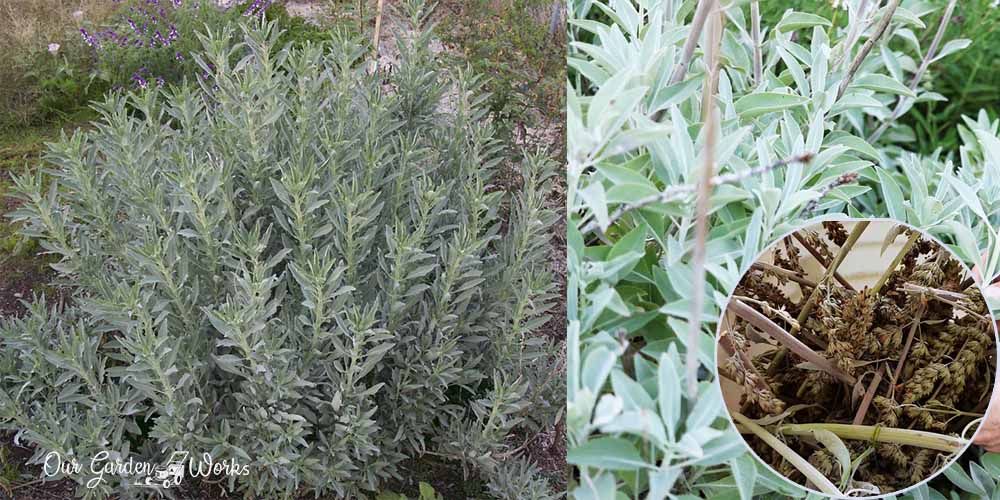
Have you ever heard of a sacred plant? White sage is one of the specific plants that is considered a sacred plant in many regions …
Have you ever heard of a sacred plant? White sage is one of the specific plants that is considered a sacred plant in many regions …
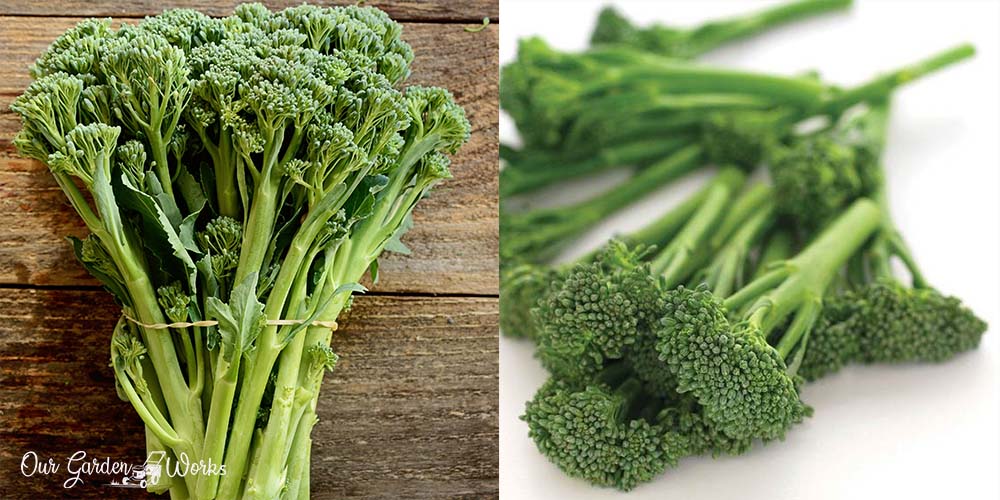
If you love broccoli, you will likely fall in love with its hybrid variety, the broccolini. It is an uncommon type of cruciferous vegetable in …
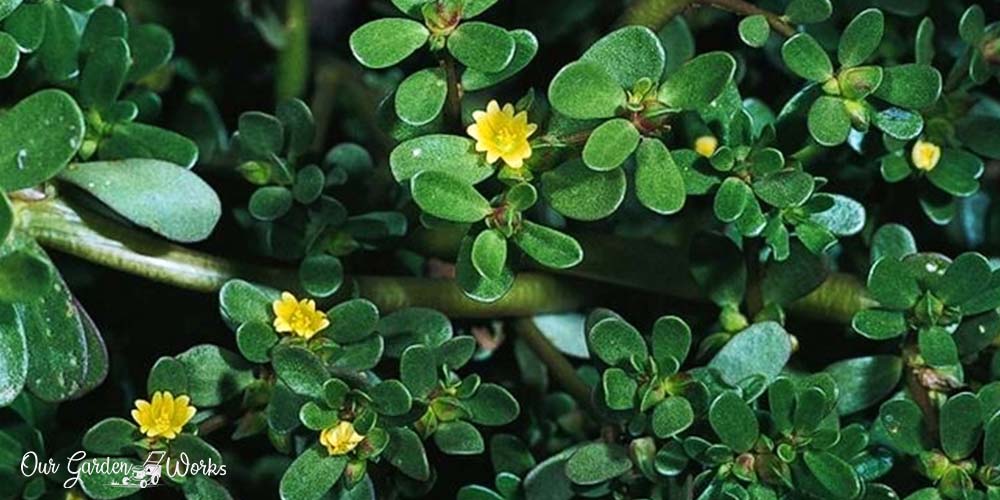
It’s the warm season again, and it’s a perfect time for your plants to grow in your yard, including weeds. Your plants may treat weeds …

Tacos, burritos, and other Mexican dishes will never be complete without the rich taste of tortillas. They are the soft flatbreads popular in the Latin …
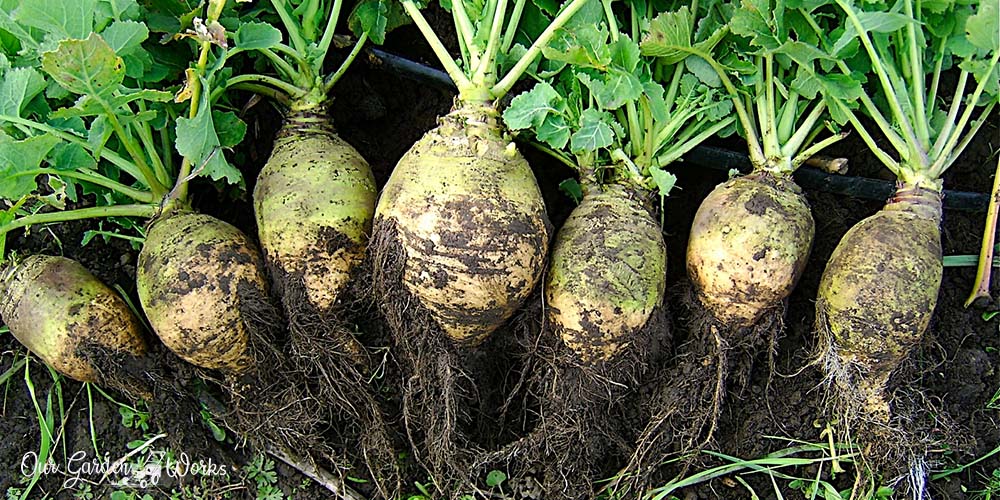
There are times that you won’t be able to consume your rutabagas right away. You probably have an abundance of rutabagas due to the harvesting …
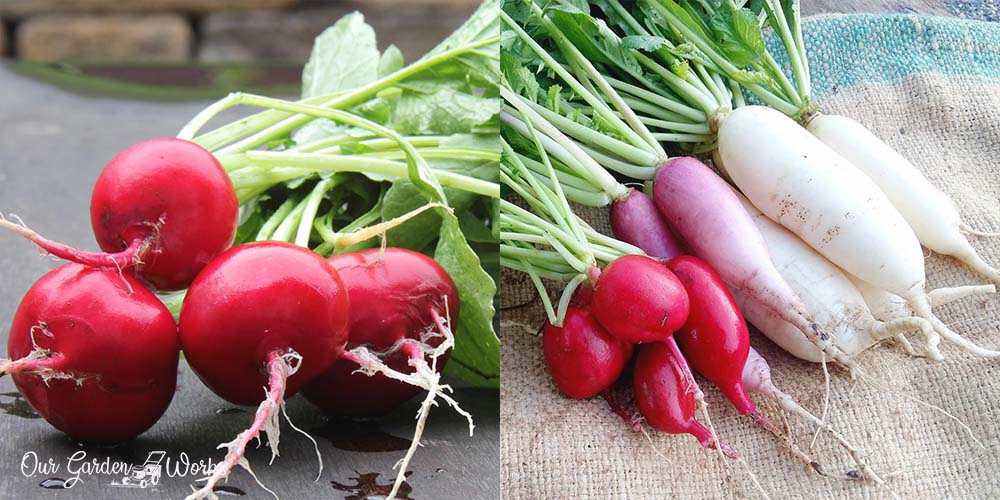
Radish is one of the underrated vegetables in the market that contains a lot of benefits. If you are curious about the health benefits of …
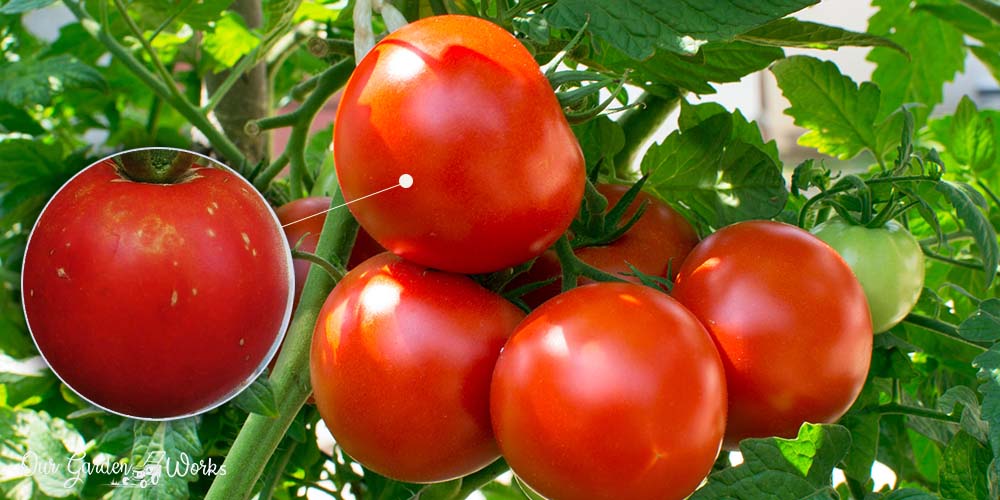
White spots on tomatoes are caused by four main things — stinkbug feeding, sunscald, bacterial canker, or ghost spots from botrytis. Stinkbug damage and sunscald are the most common. The spots are usually safe to cut around and eat. This guide identifies each type by appearance and tells you exactly what to do.
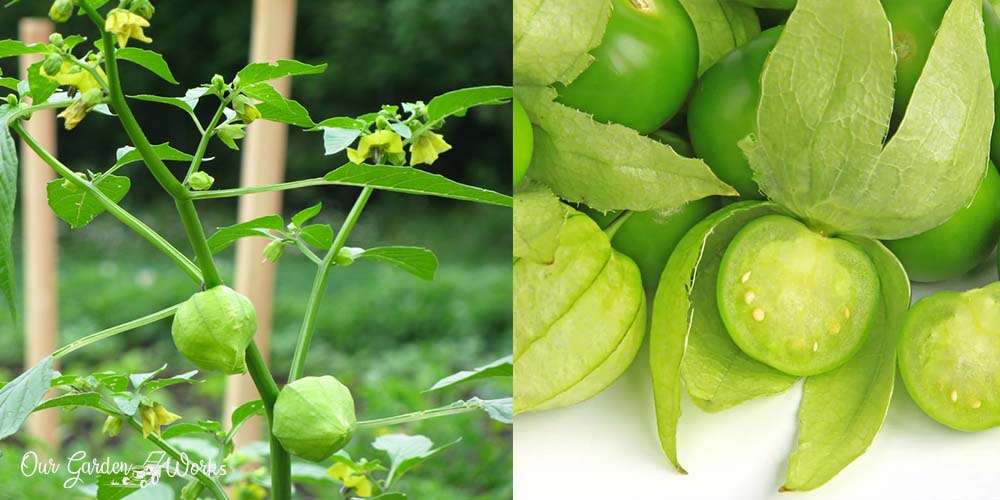
Ripe tomatillos (when the husk has split and the fruit is firm and slightly sticky) are completely safe to eat raw or cooked. The papery husk and the unripe fruit are mildly toxic — they contain solanine, the same compound in green tomatoes. Remove the husk, rinse off the sticky residue, and the tomatillo is ready. This guide covers what’s safe, what to avoid, and how to tell when they’re ripe.
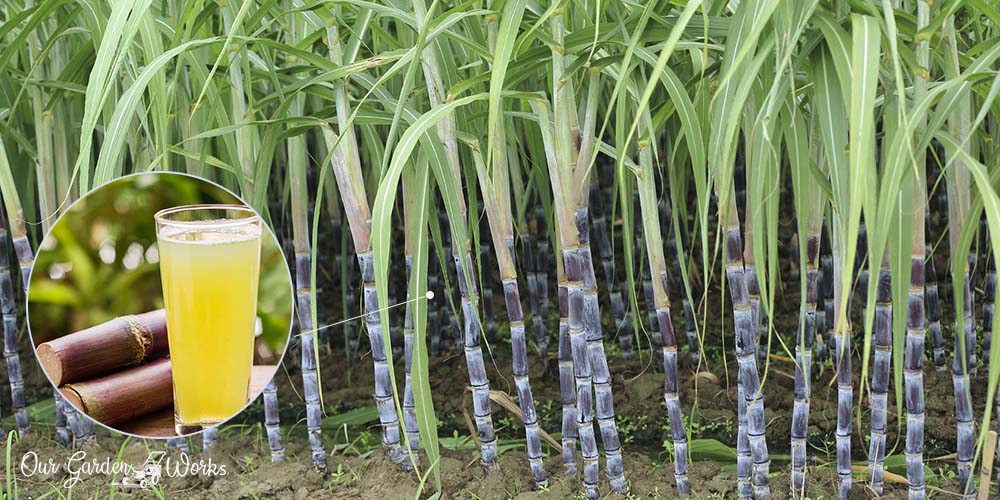
Sustainable living is one of the top trends these past few years. One of its main principles is enriching mother earth and producing your food. …
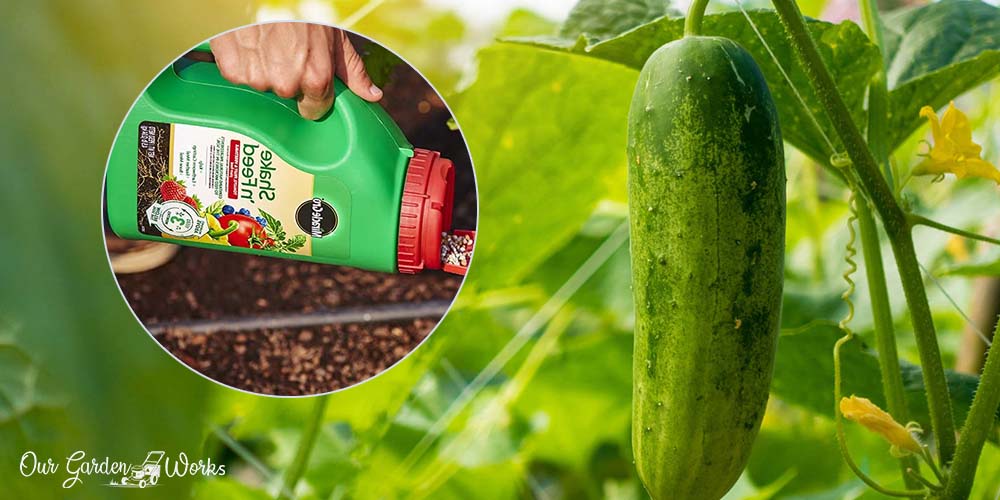
Cucumbers are one of the most refreshing fruits that grow during summer. If you are growing them this upcoming season, it is essential to plan …