Brown Edges on Hydrangea Leaves – 4 Causes and Fixes
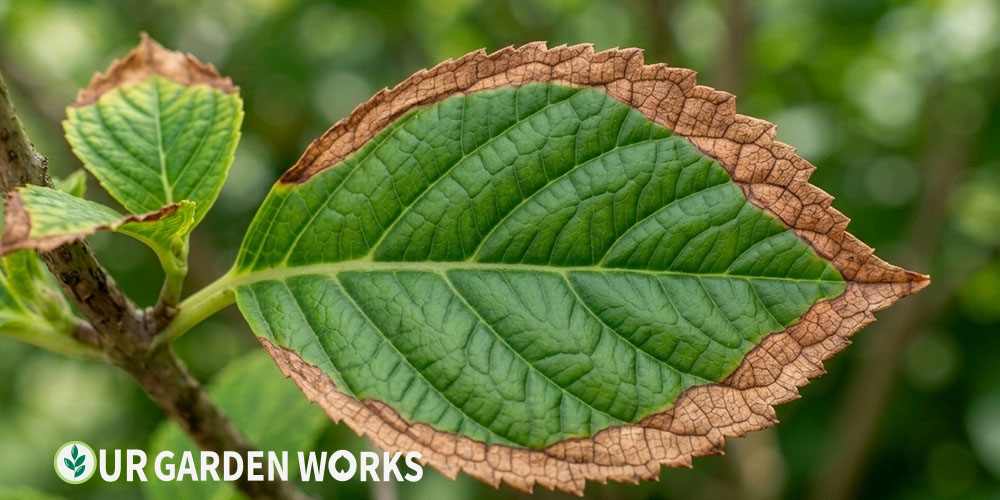
Brown edges on hydrangea leaves are almost always about water — too little, too much salt, or too much sun. Here’s how to identify which one and fix it.
 OGW Editorial Team
Brown edges on hydrangea leaves are almost always about water — too little, too much salt, or too much sun. Here’s how to identify which one and fix it.
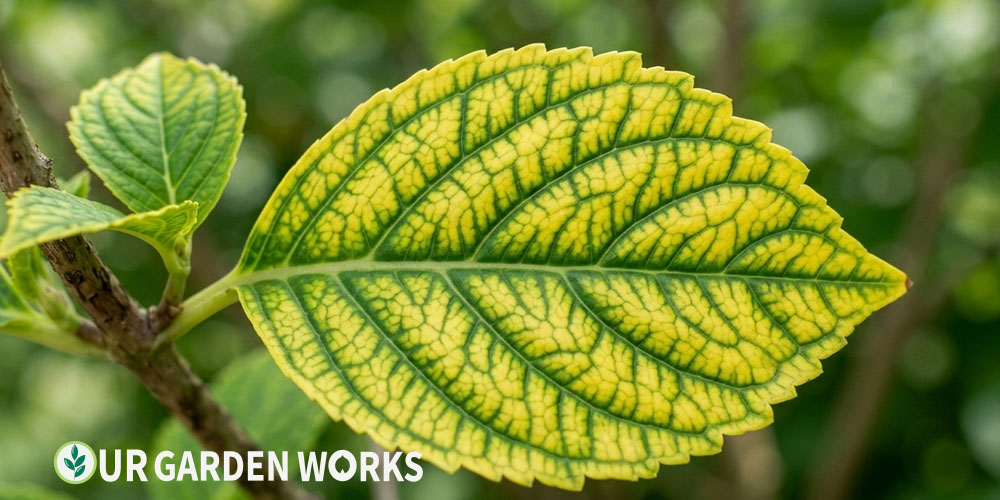
Yellow leaves on hydrangeas have seven distinct causes, from iron deficiency to overwatering. Here’s how to identify which one you have and the exact fix.
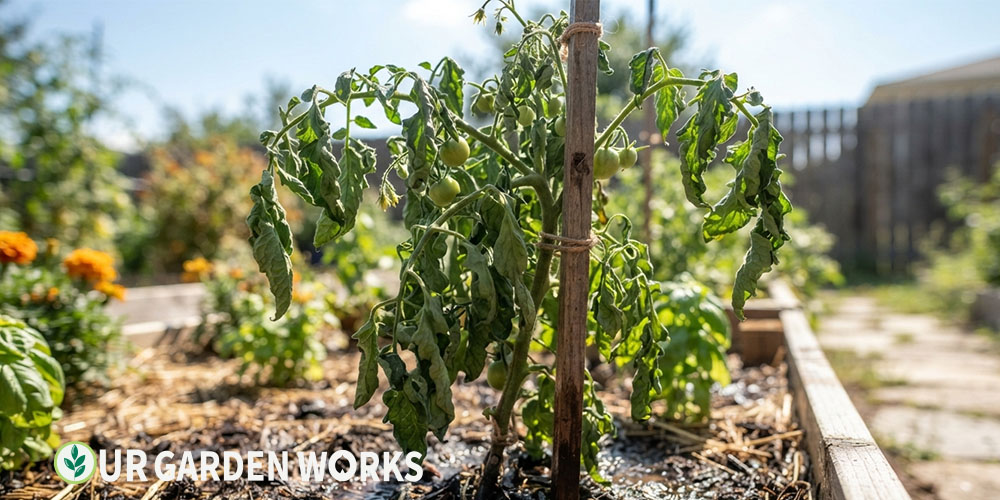
Tomato leaves drooping in afternoon heat are often perfectly normal. Here’s how to tell normal heat response from genuine drought stress or disease.
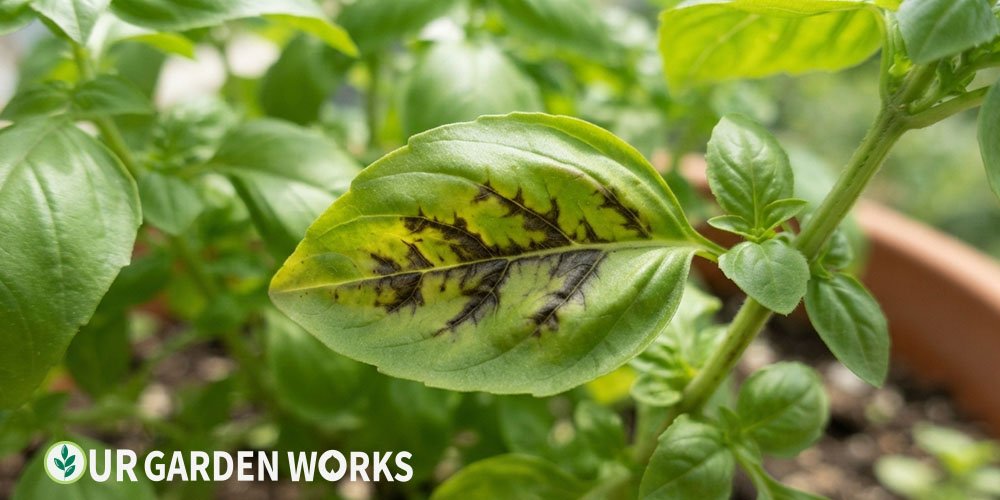
Brown spots on basil leaves have several distinct causes, from downy mildew to bacterial leaf spot. Here’s how to identify which one you have and the fix.
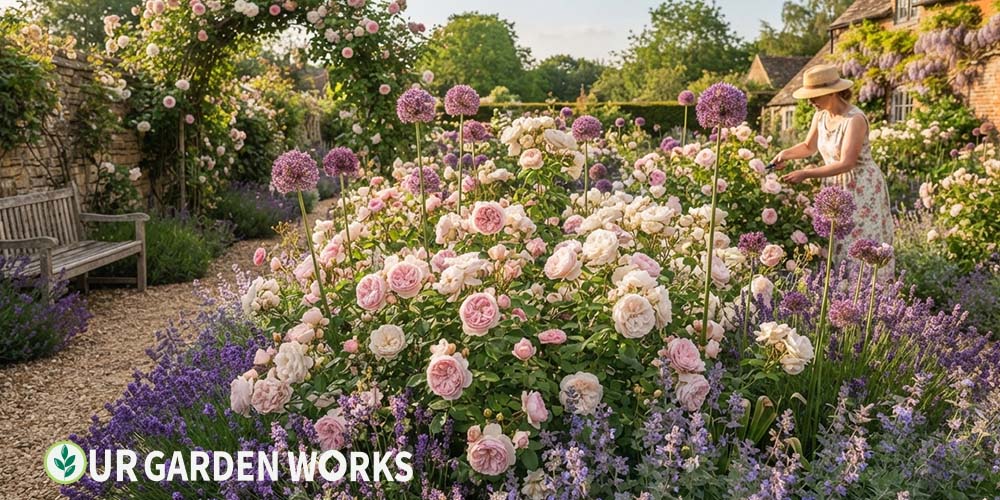
The best companion plants for roses repel aphids, deter Japanese beetles, attract beneficial insects, and keep rabbits away — naturally. Here are 10 proven companions with planting tips and spacing.
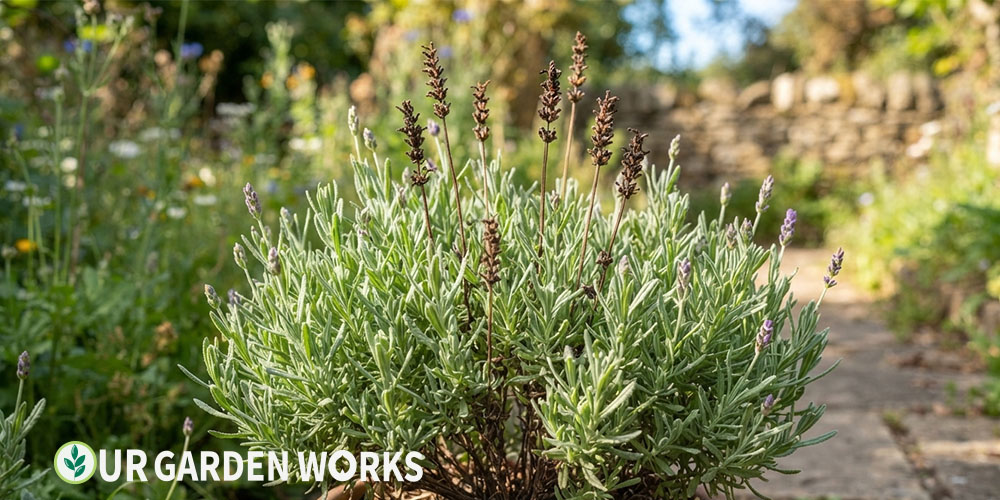
Brown tips on lavender almost always trace back to too much water, not too little. Here’s how to identify the exact cause and bring your lavender back.
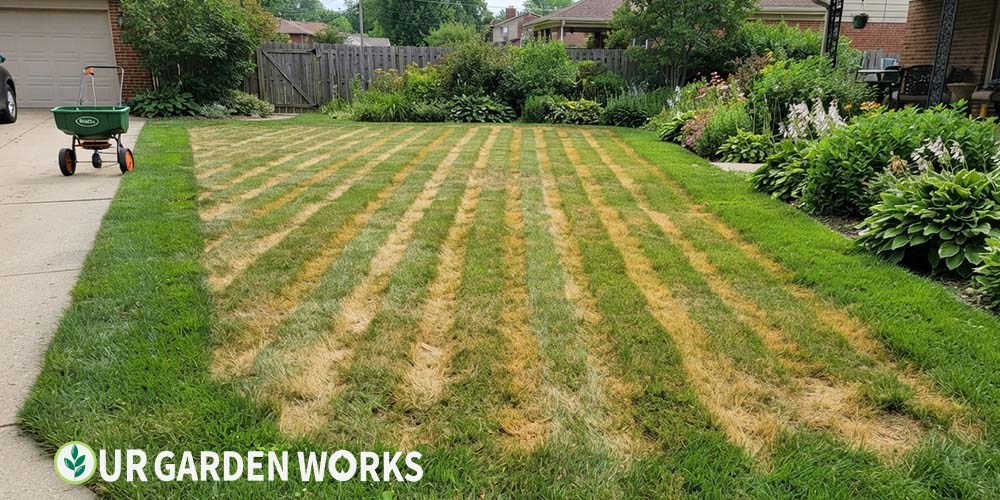
A lawn turning yellow right after fertilizing usually means fertilizer burn, not a benefit gone wrong. Here’s how to confirm it and recover your lawn fast.
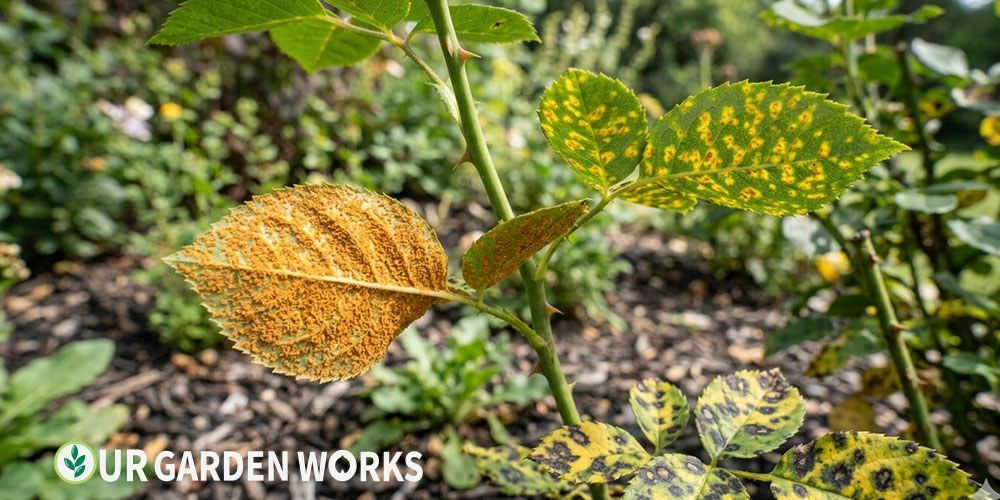
Rust on roses produces distinctive orange powdery pustules, usually on leaf undersides. Here’s how to identify it confidently and treat an active infection.
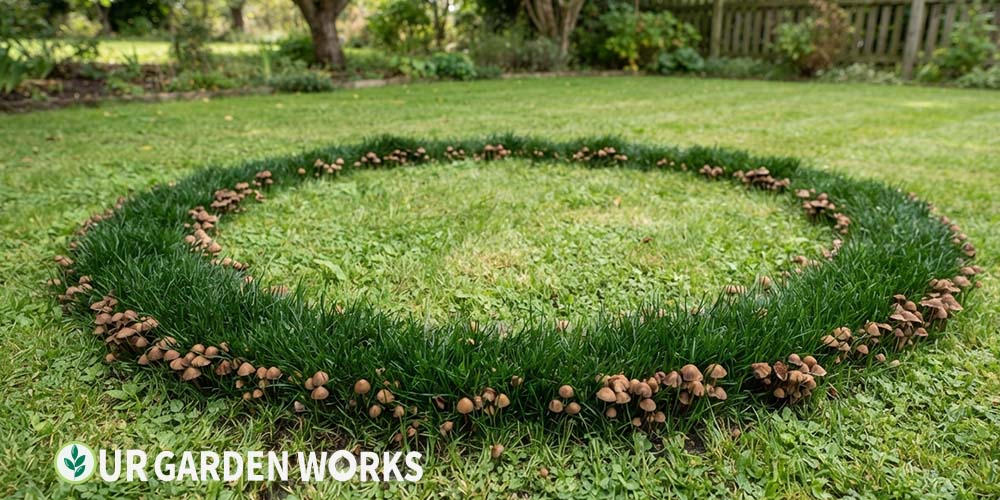
Fairy rings form when fungi decompose buried organic matter in a circular pattern. Here’s why they happen, how to manage them, and whether removal is even possible.
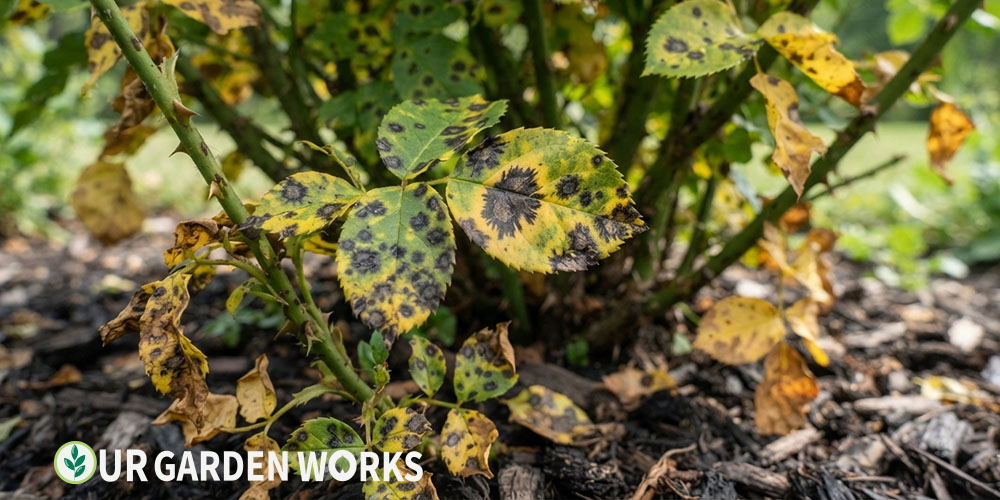
Black spot is the most common rose disease worldwide. Here’s how to identify it confidently, treat an active infection, and prevent it from returning next season.