

While growing a peace lily from seed is not for everyone, some advantages make it worth considering. Seed propagation is a good option if you are patient enough to observe how it grows from seed to maturity. You also get to choose the variety and the number of batches you want to grow.
Peace lilies are easy to grow and well-loved by many gardeners. However, it pays to know more about peace lilies, so you are equipped enough to grow and propagate them in your garden.
What is a Peace Lily?
A peace lily is an air-purifying houseplant known for its elegant foliage and white flower spikes. Its scientific name is Spathiphyllum, which means peace and prosperity in Greek.
Peace Lilies make great house plants because of their broad, dark green leaves and white spathes. They are also beginner-friendly and a good choice to add a touch of elegance to any room.
Despite the term lilies in their name, peace lilies are not true lilies. They are a member of the Araceae plant family, which has 3,750 species. However, they still have slight toxicity that can cause poisoning to dogs and cats.
Peace lilies are propagated through division and rarely propagated through seed. Most gardeners only consider it as an option when they are planning to grow new peace lily varieties. In this post, we will discuss how to grow a peace lily step-by-step.
When to plant Peace Lily
Planting a peace lily is best done in the spring or early summer.
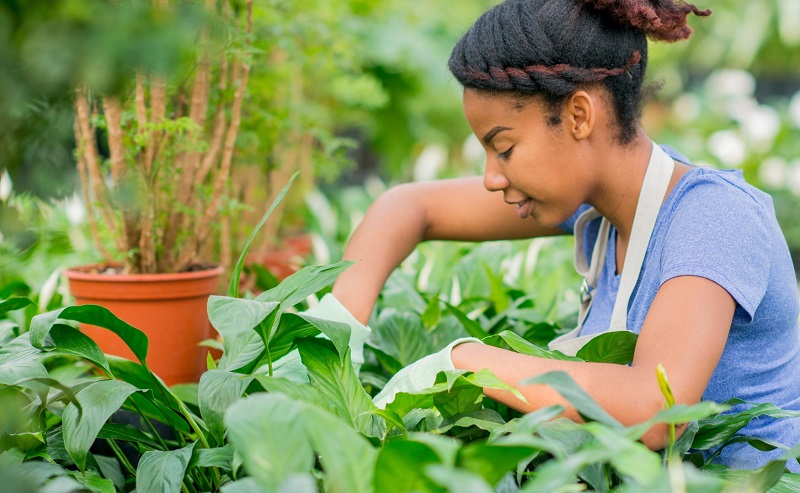
These are the times of the year when there is a warm climate that peace lilies need to grow well. The humid air during spring and summer is also essential to maintain the glossy leaves of growing peace lilies.
How to grow Peace Lily from seed
Peace lilies are among the most well-liked indoor plants for being low maintenance and having broad deep green leaves and clean-looking white spathes that stand out from a blanket of greeneries. The first step to growing these tropical plants is to select the seed.
Step 1: Selecting the seed
When selecting the right peace lily seed to plant, you should consider a few factors which are as follows:
- Climate: Since peace lilies are tropical plants, they grow in warm, humid climates. Some are cold hardy but most of the peace lily varieties like it warm. Make sure to choose a seed variety appropriate for your climate if you live in a temperate region.
- Peace lily variety: Most people think that there’s only one peace lily. However, it is a genus of different species with varying heights and growth behaviors. Peace lily Sensation is the largest peace lily variety that can reach up to six feet during maturity. The smallest one is peace lily Wallisii which can only grow up to 10 to 12 inches. There are also gorgeous variegated varieties with unique leaf colors and patterns.
- Germination rate: Not all plant seeds can germinate successfully. Therefore, commercially available seeds are labeled with a germination rate to let the gardeners know what to expect from their products. Choose those seeds that have 80% and above the germination rate for the best outcomes.
Choosing the right Peace Lily seeds is important, not only to grow healthy seedlings but also to achieve the best results. You may give them an optimal growing environment but if you don’t choose a good seed.
Preparing the soil
Taking the time to prepare the soil will lead to better yields and healthier plants. A light, airy combination that is well-draining is the ideal soil for peace lily seeds. Peat moss and perlite should be combined in exactly equal amounts to promote efficient soil drainage, especially indoor ones.
You have an option whether you want to use the go-to recipe for Peace Lilies or use a general potting mix for houseplants.
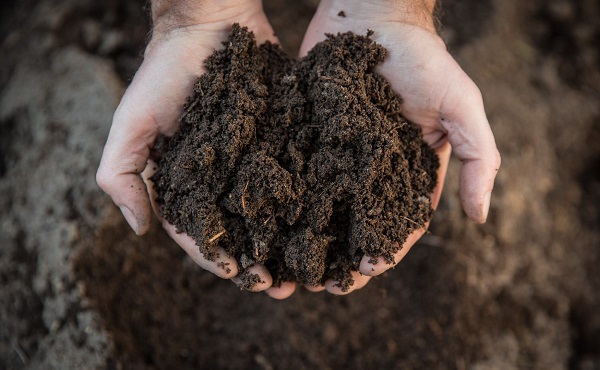
To build a DIY potting mix you will need two parts regular indoor potting mix and 1 part perlite to promote aeration.
Another option is to use a ready-made houseplant potting mix. Potting mix for philodendrons and monstera usually works well for peace lily seedlings.
Planting the seeds
Planting the seeds is a bit straightforward but here are some pointers to achieve a better germination rate:
- The seeds should first be soaked in warm water overnight before planting.
- You can either use the poke-and-sow method or use the broadcast method by sprinkling them in a pot or seedling tray.
- Lightly cover the seeds since they need the sun to germinate well. Place at least 1/8 to 1/4 inch of soil to cover them up.
- Keep the soil moist by placing mulch over the soil.
- Keep checking the soil to monitor the soil moisture and level instead of routinely watering it.
Peace lily seeds usually germinate for around 10 to 14 days. Once they sprout, it would take around one to two weeks for them to develop into a seedling.
Transplanting the seedlings
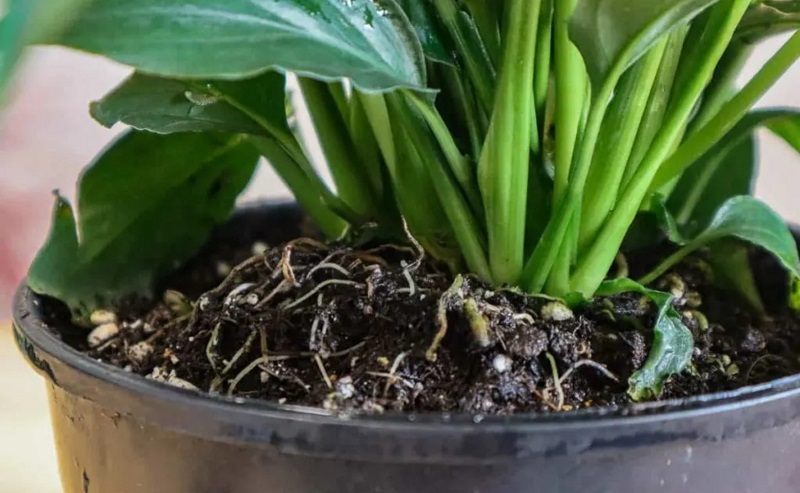
Allow the seedlings to harden and develop before transplanting them into a bigger pot.
Make sure that the pot is large enough to give the roots the space it needs to develop. Be careful in handling the tender roots and ensure they will not be cut or pinched during the transition.
When to transplant
Timing is key to successfully transplanting peace lily seedlings. The best time to transplant them is when they have at least two to three leaves.
When there are enough leaves on the seedlings, they have established enough roots to grow in a new pot. Usually, peace lily seedlings develop their new leaves six to eight weeks after planting.
How to re-pot peace lily seedlings
Peace lilies like their pots crowded.
However, giving them a space to grow will help the rhizome grow and develop new shoots underground. Rhizomes are stem-like roots underground that grow sideways to develop new shoots.
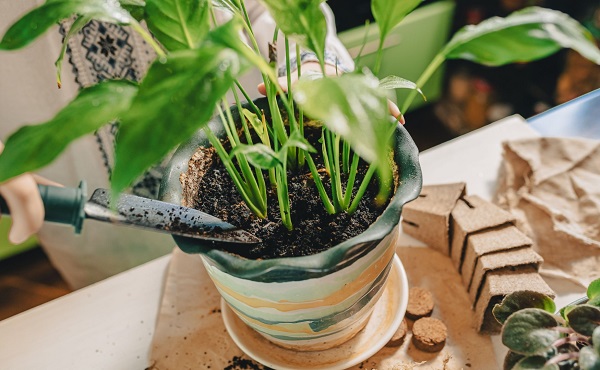
Here’s a step-by-step guide to repotting a peace lily seedling:
- Step 1: Prepare the new pot: Fill the new pot with a layer of new potting soil. Place some soil-draining materials like perlite to prevent overwatering issues.
- Step 2: Transfer the seedling: Carefully remove the peace lily seedling from the seedling tray and handle the root ball gently.
- Step 3: Place the seedling in the new pot: Place the peace lily seedling at the center of the new pot. Add more fresh potting soil around the root ball until the pot is filled.
- Step 4: Water: Water the soil until it is evenly moist.
- Step 5: Place in a location with the bright indirect sun: Place the pot in a location that receives five to six hours of bright indirect sunlight.
Repotting is an important part of caring for your peace lily, so make sure to re-pot your seedling every two years to replenish the decomposed organic materials. The advantages of repotting are as follows:
- Helps to improve soil fertility: Soil that has been used for several seasons has consumed its essential nutrients and organic materials are often decomposed already. By adding a new potting mix, the plant will grow better with its new supply of soil minerals and nutrients.
- Provides the plant room for growth: The roots won’t be able to spread out sufficiently if the soil is overly compacted, which could result in stunted growth.
- Help to prevent root rot: Root rot is a common problem with plants in pots that have not been replaced for several years. When a plant is repotted, the soil is mixed with fresh, well-aerated soil, which helps to prevent root rot.
When to harvest Peace Lily seeds
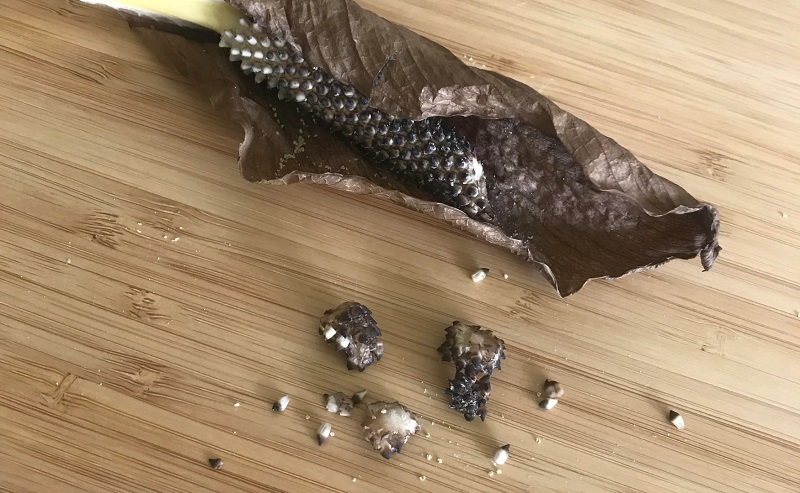
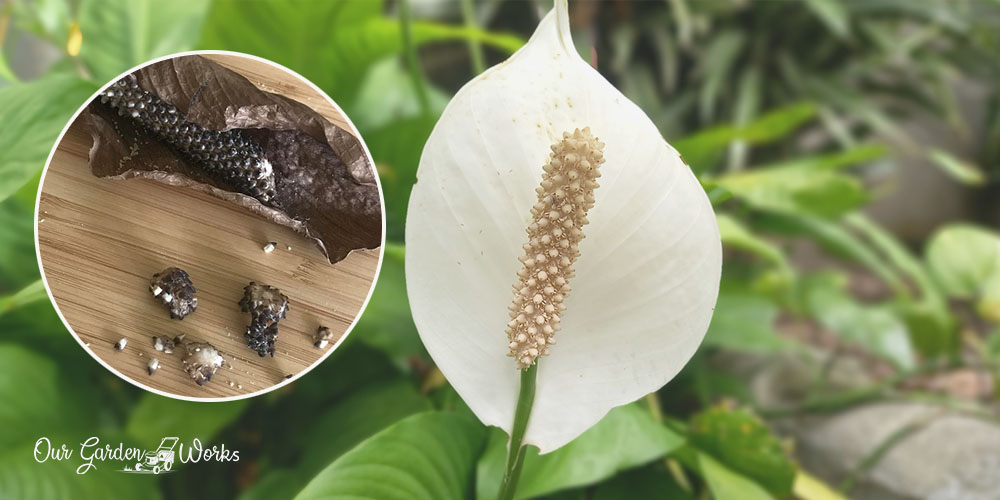
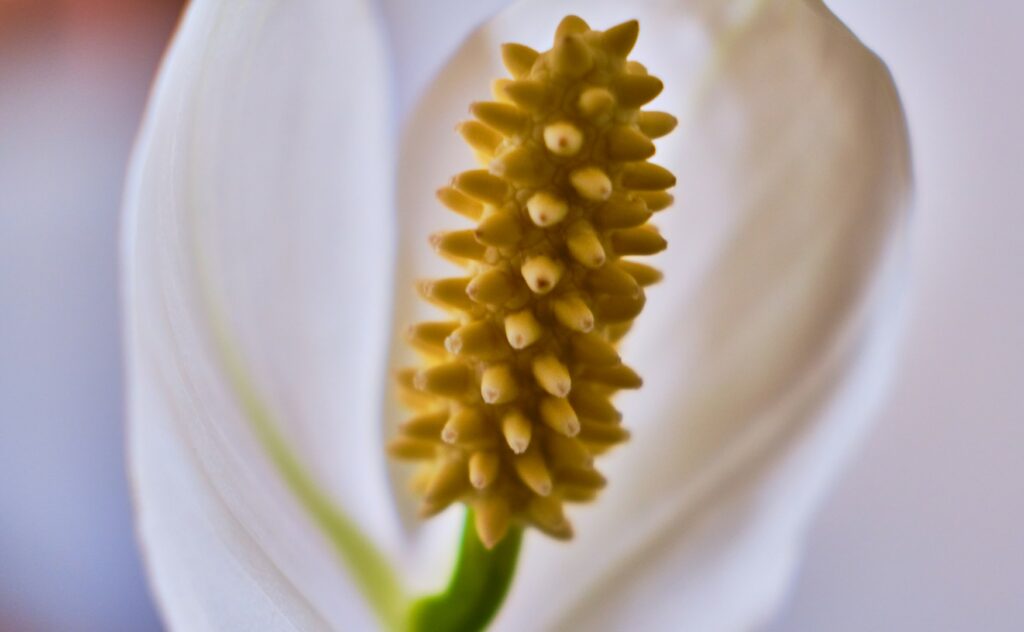
The peace lily seeds are easily collected from the flowerhead, which is a cluster of brown seeds located in the spadix.
For best results, wait until the spadix turns deep brown. It indicates that the seeds are mature and ready to be collected.
To harvest the seeds, simply cut the flowerhead off its stem and place it in a bowl. Gently roll the flowerhead between your fingertips to remove the seeds.
Care and maintenance
Peace lilies are low-maintenance plants. They only need some trims when they are root-bound or some re-potting when experiencing root rot. They would also appreciate quarterly feeding and wiping the dust off their broad leaves.
Watering requirements
Even though it’s a reasonably simple plant to look after, peace lily needs frequent watering to be healthy and produce its distinctive white blossoms. It’s crucial to be careful with the frequency though. Ideally, they should be watered every week but check the soil first to avoid overwatering them.
Peace lilies need more regular watering than many other types since they are less drought-tolerant than other indoor plants. However, overwatering may still occur which often leads to root rot.
A good watering practice is to use the soak-and-dry method. It is a practice where you deeply water your peace lily until the soil is soaked, then allow the soil to dry out completely before re-watering.
Temperature requirements
Peace lilies prefer temperatures between 68°F and 85°F. They can tolerate temperatures as low as 55 degrees, but any temperature below this can cause the plant to go dormant. During the winter months, temperatures should be kept a few degrees higher than the recommended range.
Peace lilies are also sensitive to sudden temperature changes. If you move your plant to a new location, make sure to do it gradually to avoid shocking the plant.
Feeding and pruning
During the growing season, peace lilies should be fed with a balanced fertilizer once a month. Follow the precautions in applying fertilizer to avoid fertilizer burn.
Pruning the peace lily can be done after the flowers have started to wilt to help the plant produce new flowers. You also need to prune the leaves when they start to turn brown or yellow to encourage new leaf development.
Frequently Asked Questions (FAQs)
Can you get seeds from a peace lily?
Yes, peace lilies have a spadix that holds all of their seeds. Unripe seeds are yellow-green and turn brown to black when ripe. They can be easily removed from the tube-like pod when it dries completely.
Can you grow a peace lily from cuttings?
No, peace lilies have rhizomes that develop new shoots underground. Therefore, propagation can occur when you separate the new shoots from the mother plant by cutting the rhizome between its nodes.
How long does it take a peace lily to grow from seed?
Growing peace lilies can take around 3 to 10 years, depending on the variety. Large varieties like Sensation take around 5 to 10 years to grow from seed to maturity.
Where does peace lily grow better? In soil or water?
Peace lilies may be grown in water just as successfully as in soil. The only disadvantage of growing peace lilies in water is that they won’t last as long as those that grow in soil. The plant may grow in soil for at least four to five years but it will only last a year in water.
How do you grow peace lilies fast?
Ways to grow Peace Lilies fast are as follows:
- Give your Peace Lily a bright, indirect light if you want it to flourish. When the top inch of the soil is dry, it is a signal to water them.
- Avoid overwatering, which can damage the roots and make the foliage yellow.
- Throughout the growing season, fertilize your Peace Lily once a month with a balanced fertilizer.
Final Thoughts
Have you ever tried growing a peace lily from seed?
Growing a peace lily from seed can take a longer time than buying a seedling from a nursery. However, it will teach you a lot of things in propagating peace lilies along the way.
Let us know in the comments about your struggles in growing peace lilies. If you find this post helpful please share this with your friends and help them grow new types of tropical plants like peace lilies.
For peace lily watering schedules, repotting tips, and propagation guides, our plant care guide links to every peace lily article we’ve published.
